Vetting home inspectors in Ontario: How should buyers proceed?
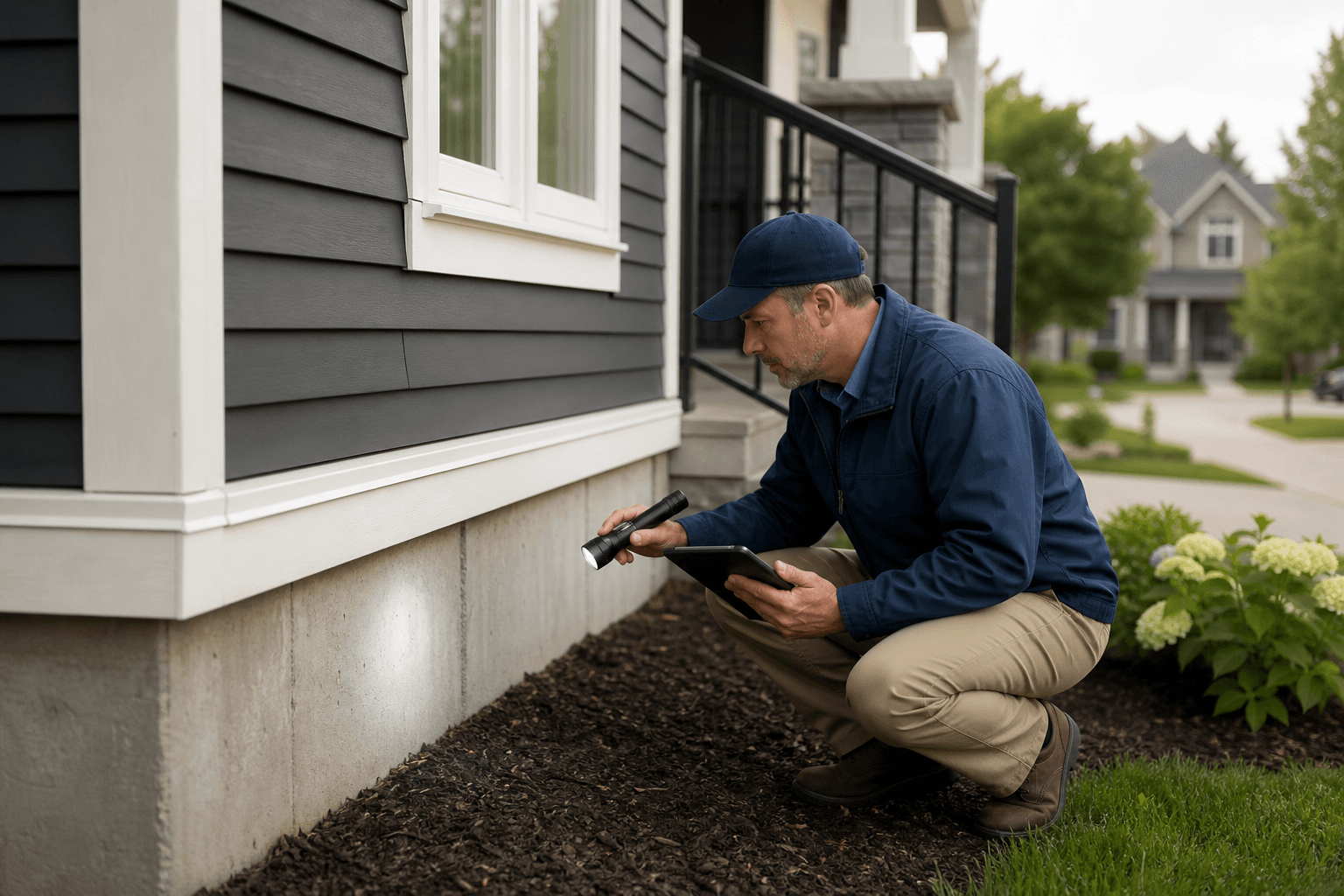
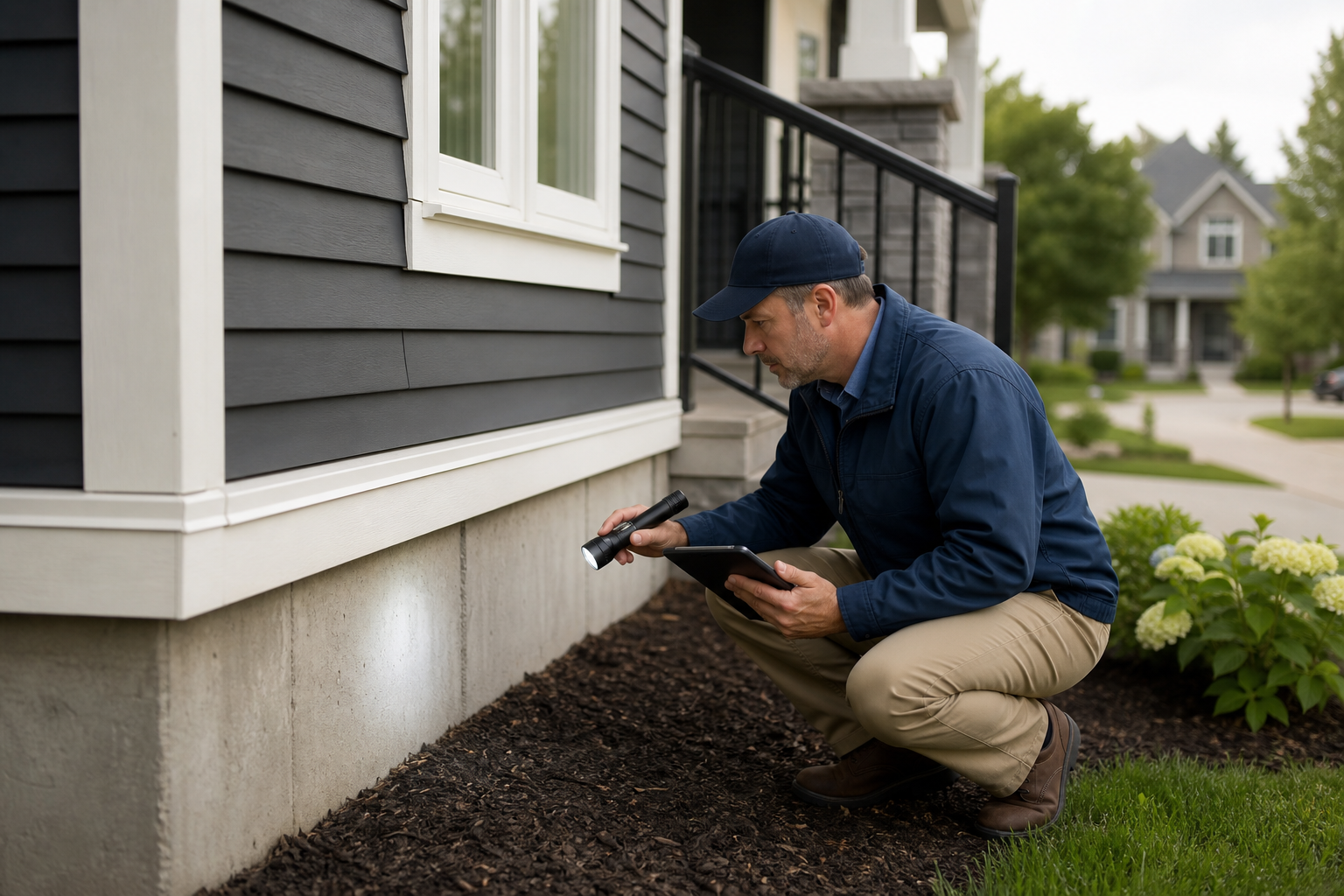
Vetting home inspectors in Ontario: How should buyers proceed?
Booking a home inspection is one of the most important steps before you buy a property in the Greater Toronto Area or anywhere in Ontario. A home inspection is an on-site, in-person examination of a home’s condition and structure, and it is not a pass-or-fail test. For Ontario buyers, the province recommends researching inspectors and checking references before you hire one, because inspectors are not required by law to carry insurance even though many do for extra protection: see official provincial guidance for buyers for details What to know before buying a home.
This article gives an ordered, practical checklist you can use now to vet home inspectors in Ontario. It walks through each verification stop point: confirming credentials and references, checking insurance, reviewing sample reports and scope, asking standard questions, recognising common limits and red flags, and choosing between quotes when time is tight.
Quick checklist to use right now
- Ask for a written quote, sample report, and references from the last 12 months.
- Confirm training, relevant experience for the property type, and any professional memberships.
- Request proof of insurance and ask what it covers.
- Compare the inspection scope and list of exclusions in writing.
- Use the same set of questions to compare availability, length, and report delivery time.
- Decide using scope and report quality first, insurance second, price last.
- Document problems and follow provincial complaint steps if needed.
Step 1: confirm credentials, experience, and references
There is no single mandatory provincial licence you can check for every home inspector in Ontario, so your best protection is to verify training and experience directly. The federal and provincial labour market resources explain common job requirements and typical qualifications for home inspectors in Ontario; use those guidelines to set minimum expectations for any candidate Home Inspector in Ontario: Job requirements.
What to check in an inspector’s background
- Years of experience and the number and type of homes inspected, for example detached houses, condominiums, or older heritage homes.
- Completed training or certificates and whether they have completed industry courses relevant to your property.
- Recent references: ask for contact details for at least two recent clients and permission to view a report from a comparable property.
- Professional memberships: many inspectors join associations that set standards, so ask which associations they belong to and check membership status where possible.
- Availability to attend a scheduled inspection and whether they allow the buyer to join on site.
Requesting a sample report and client references takes minutes and reveals whether the inspector documents issues clearly and uses photos and priorities you can act on.
Step 2: check insurance and professional protections
Ontario guidance explains inspectors are currently not required by law to have insurance, but many carry policies because they limit personal risk and give buyers a clearer path for follow up if a dispute arises. You should ask every candidate about coverage and verify the policy in writing before you book What to know before buying a home.
Which insurance to ask for and what it covers
- General liability insurance, which covers accidental property damage that may occur during the inspection.
- Errors and omissions insurance also called professional liability, which can cover claims that arise from missed or incorrect inspection findings.
- Ask to see the insurer name, policy number, and effective dates and record those details. If the inspector cannot or will not share this, treat that as a warning sign.
- If you have concerns, contact the insurer listed on the policy to confirm coverage.
Insurance does not guarantee the outcome of an inspection, but it signals that a professional business standard and risk management approach are in place.
Step 3: review a recent sample report and the inspection scope

A clear, structured report is the primary deliverable you will use to negotiate repairs or decide whether to waive conditions. Ask for a recent sample report and compare it to other candidates before you commit.
Key report elements and sample red flags
- Required elements: dated report, inspector name and contact, property address, weather conditions, and a clear summary of major safety concerns.
- Photos for all significant defects, not only a paragraph description.
- Priority classification: urgent safety, major defect, maintenance item.
- Recommendations and whether the inspector suggests specialist follow up, for example for roofing, electrical systems, or structural evaluation.
- Limitations and exclusions clearly listed at the end of the report. A lack of limitations or vague language is a red flag.
- Report delivery timeframe. Expect a written report within 24 to 72 hours depending on scheduling; longer delays should be explained in advance.
A weak report is one that lacks photographs, omits priority levels, uses uncertain language without specifics, or fails to record limitations and areas the inspector could not access.
Step 4: ask these questions before you book
Use the same set of questions for every inspector you consider so you can compare apples to apples. Record answers in writing or by email.
Sample questions to make immediate comparisons
- Are you available on this date, and how long will the inspection take on site?
- Do you attend inspections in person and allow the buyer to be present?
- Can you supply a full sample report from the last 12 months and two client references?
- Do you carry general liability or errors-and-omissions insurance? Please share insurer details and policy dates.
- What exactly is included in your standard inspection and what is excluded?
- Do you recommend any specialist tests or contractors for this property type?
- When will the written report be delivered and in what format?
- What is your fee, and what happens to the fee if the inspection is cancelled or postponed?
Step 5: understand standard limits and when to order specialists
A standard home inspection has well defined limits. It typically does not include destructive testing, invasive sampling, or concealed systems testing. If you suspect issues with specific systems, order specialised tests or trades as add-ons to the general inspection. Common specialist services include sewer camera inspections, mould or air quality testing, radon measurement, and detailed structural or HVAC assessments.
Ask the inspector which specialists they recommend and whether they coordinate those services. Knowing these limits ahead of time prevents surprises when negotiating repairs or waiving conditions.
Step 6: compare quotes and use decision criteria

When you have multiple quotes, do not choose by price alone. Use a simple decision framework to reduce risk, especially when offers are competitive or deadlines are short.
Decision criteria to prioritise when offers are time limited
- Scope of inspection: a broader scope wins over a cheaper, narrower check.
- Report clarity and sample quality: a clear report with photos and priorities helps negotiations more than a lower fee.
- Insurance and verifiable references: these protect you if a serious dispute arises later.
- Availability and report turnaround when you must meet contractual waiver deadlines.
- Price: use it to choose between similarly qualified candidates, not as the primary filter.
Document your decision and retain copies of all sample reports and insurer confirmations in case you need to escalate later.
Step 7: common red flags and how to escalate problems in Ontario
Watch for these warning signs: refusal to provide a sample report, inability to give insurer details, vague or evasive answers about scope, consistently poor or photo-free reports, or pressure to sign waivers prematurely. If you believe an inspection was negligent, gather documentation and follow the complaint process set out by provincial guidance for buyers, which explains how to file concerns and check reputations What to know before buying a home.
Step 8: next steps and a local option to book a vetted inspector
Immediate actions to take: contact two inspectors and request the sample report and insurer details, compare scopes using the checklist above, and schedule the one that best meets your scope and timing needs. If you are selling in Peel Region, pair your inspector selection with staging and sale preparation guidance in our Peel Region seller checklist peel region seller checklist.
If you would rather skip the vetting steps, Malika Homes maintains a vetted partner network of inspectors, lawyers, mortgage brokers, and contractors and can coordinate a qualified inspector for your Ontario purchase; learn more about our services and resources on the Malika Homes website Malika Homes.
Frequently asked questions
Do home inspectors in Ontario have to be licensed or insured?
There is no single mandatory provincial licence that covers all home inspectors in Ontario, and inspectors are not required by law to carry insurance. Many professionals do carry general liability or errors-and-omissions policies, so ask for written proof before you hire What to know before buying a home.
What does a standard home inspection in Ontario include and what does it exclude?
A standard inspection is an on-site visual review of accessible systems and visible structure. It will document safety concerns and visible defects but it does not include invasive testing, concealed system analysis, or specialist testing unless ordered as an add-on. The provincial buyer guidance explains these limits and encourages buyers to clarify scope ahead of time What to know before buying a home.
How much should I expect to pay for a home inspection in the GTA and is price the strongest factor?
Fees vary by inspector, property size, and required scope. Price should not be the sole selection factor. Prioritise scope, report quality, and verified experience first, then insurance and availability, and use price only as a tie-breaker. Job market resources outline common qualifications and typical expectations for the role Home Inspector in Ontario: Job requirements.
If I am unhappy with an inspection report, how can I file a complaint in Ontario?
Document your concerns, gather the report and communication records, and follow the provincial guidance for buyers which explains complaint options and next steps. If the inspector has insurance, you can also contact the insurer to confirm whether a claim is possible What to know before buying a home.
When should I order specialist inspections such as sewer camera, mould, or HVAC?
Order specialists when the general inspection identifies potential problems in a specific system or when the property type or age makes those risks more likely. Ask the home inspector for recommendations and whether they coordinate those services so you get a consistent timeline and combined reporting.
Tags
Have questions about Ontario real estate?
Book an appointment with Malika Mehrotra to discuss your buying or selling goals.
Book Appointment