Home Staging: Sell Faster and Get Top Dollar in 2026
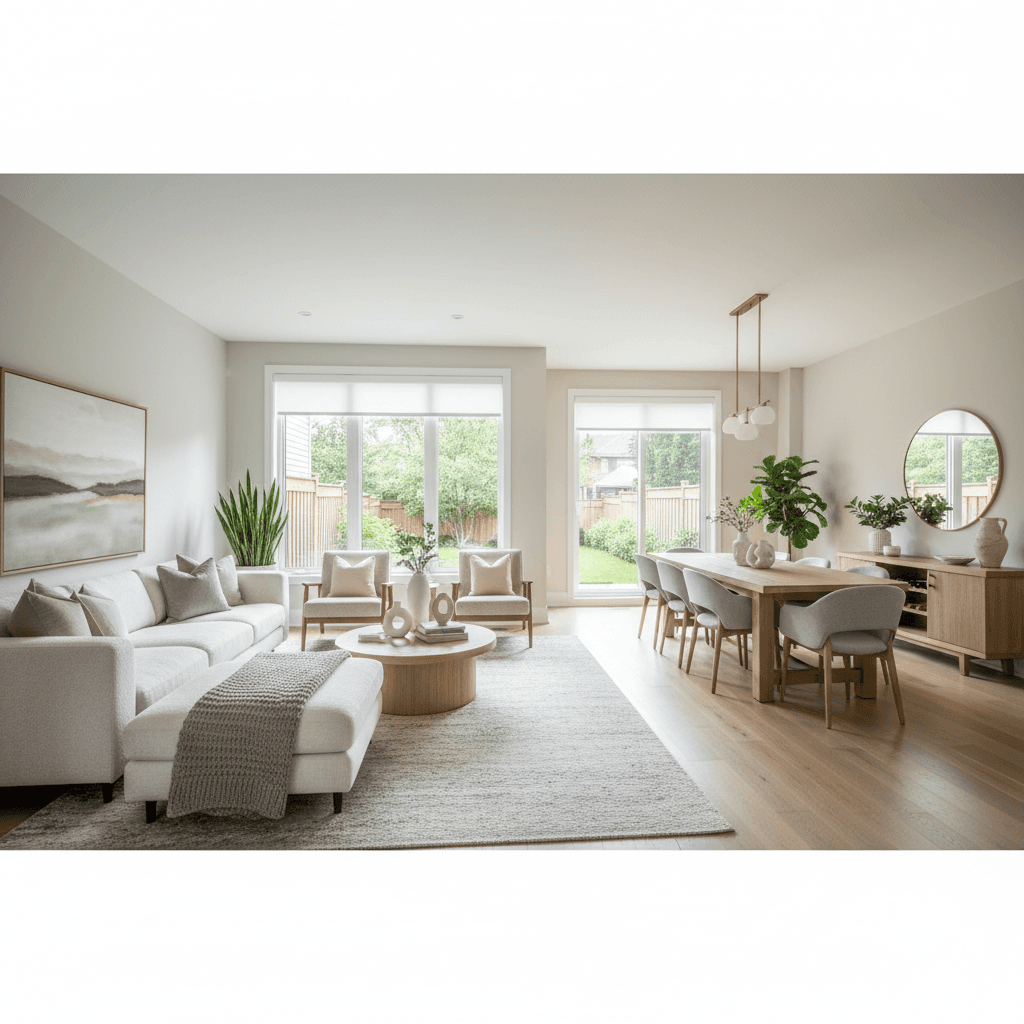
Home staging is the strategic preparation of a property to highlight its best features so it sells faster and for stronger terms. That’s why staging matters for home sales: it creates emotional clarity and perceived value. From our Mississauga hub at 6750 Davand Dr, Malika Homes guides GTA sellers with data, design, and a vetted staging network.
By Malika Mehrotra — Founder & Realtor, Malika Homes
Last updated: May 22, 2026
Above-Fold: Hook, Promise, and What You’ll Learn
This complete guide shows how staging helps homes sell sooner and with stronger offers by aligning design, photography, and buyer psychology. You’ll learn what staging is, why it matters in Ontario markets, the step-by-step process, best practices, tools, examples, and how Malika Homes operationalizes staging for better results.
- Understand what “home staging” actually includes (beyond pillows and paint).
- See why staged homes earn more attention and cleaner offers.
- Follow an exact staging timeline sellers can execute confidently.
- Review proven approaches: occupied, vacant, partial, virtual, Vastu-aligned.
- Access Malika Homes tools: valuation, checklists, market reports, and concierge staging partners.
- Learn from 12 Ontario mini case studies across Toronto, Mississauga, Brampton, and Oakville.
Quick Summary
Home staging is a marketing system, not just décor. It clarifies room purpose, optimizes flow, and elevates photos so more buyers book showings. The result is better first impressions, stronger perceived value, and smoother negotiations—especially when paired with a disciplined listing strategy.
- Primary goal: Maximize perceived value and reduce friction for buyers.
- Core levers: Decluttering, neutral styling, layout, lighting, and professional photography.
- Outcome: More showings early, fewer objections, stronger offers, and fewer conditional surprises.
- Who benefits: Sellers of occupied or vacant homes, investors, and estates; condos and freeholds alike.
- Where we work: GTA-wide with a Mississauga base for quick coordination.

What Is Home Staging?
Home staging is the professional preparation of a property—layout, styling, lighting, and finishes—to help buyers instantly see livability and value. It turns features into benefits, removes distractions, and ensures the listing photographs and shows like the best version of itself.
At Malika Homes, staging is part of a larger listing system. We connect sellers with vetted stylists, rental furniture, and trades, then sequence tasks with photography and launch timing. The aim is simple: make the home easy to love and easier to compare favorably against alternatives.
Staging definition in practice
- Room purpose clarity: Every space communicates a single, obvious use (e.g., home office vs. storage overflow).
- Visual flow: Furniture placement guides how buyers move and what they notice first.
- Neutral appeal: Broad, modern styling that photographs well and avoids polarizing choices.
- Lighting and texture: Crisp light, layered fabrics, and minimal glare to elevate depth and warmth.
- Photo-first thinking: Decisions made for the camera angle that will dominate online impressions.
Here’s the thing: most buyers shortlist online first. If your photos don’t stop the scroll in the first three images, you’ll lose traffic. Staging fixes that.
Why Staging Matters for Home Sales
Staging drives more qualified showings, faster decision-making, and stronger terms. In Mississauga and the Regional Municipality of Peel, staged listings consistently stand out online, reduce buyer objections at showings, and support negotiation leverage—helping sellers protect price, conditions, and timelines.
Online attention is the gateway to offers. Styled, well-lit rooms produce clearer, more memorable images, which translates to more showing requests in the first 72 hours. In our experience, that early momentum often sets the tone for stronger buyer confidence and cleaner terms.
Marketing and negotiation advantages
- Higher engagement: Photo thumbnails look premium, inviting more clicks and saves.
- Reduced friction: Clean sightlines and intentional layouts minimize minor objections.
- Comparable advantage: When buyers compare six similar homes, the staged one usually “feels” best.
- Offer leverage: Momentum gives you optionality; optionality supports stronger terms.
For broader context on seller marketing essentials in Ontario, see this Ontario home marketing guide, which echoes the importance of presentation and timing across channels.
How Staging Works: The Step-by-Step System
Successful staging follows a sequence: assess, plan, prepare, style, photograph, and launch. Each step builds on the last, aligning design, trades, and marketing so the listing hits the market with polish and momentum.
- Assessment walk-through: We evaluate layout, light, color, flooring, and quick-win repairs.
- Plan and scope: Decide occupied vs. vacant vs. partial staging; confirm rooms to style and rentals needed.
- Pre-list prep: Declutter, deep clean, neutral paint, minor repairs, curb appeal tune-up.
- Staging day: Install furniture, art, rugs, lamps, and curated accents; confirm camera angles.
- Photography and media: Pro photos, floor plans, and video—always after staging is complete.
- Launch strategy: Listing goes live mid-week, teaser social posts, scheduled open houses.
Process table: with vs. without staging
| Category | Without Staging | With Staging |
|---|---|---|
| First impression | Inconsistent; buyers question room purpose | Clear, memorable, easy to visualize living |
| Photography | Flat, clutter distracts from features | Balanced light, strong thumbnails and hero shots |
| Showings | More objections, slower decisions | Smoother tours, faster shortlisting |
| Negotiation | Buyers sense leverage | Sellers hold momentum and options |
Need the full listing workflow? Our step-by-step overview is here: home selling process, step by step. We’ll map staging tasks to your ideal launch week to protect your timeline.
Staging Approaches That Work
Choose an approach that fits your property and timeline: occupied staging, vacant/full staging, partial/high-impact rooms, virtual/AI-enhanced visuals, or Vastu-aligned suggestions. The right method balances speed, budget discipline, and the style that resonates with target buyers.
Occupied staging
- We work with what you own, supplementing with select rentals for scale and cohesion.
- Best for families living in place who need a fast, practical reset.
- Focus rooms: living, dining, kitchen, primary suite, entry, outdoor seating.
Vacant or full-home staging
- Ideal for empty homes or estates where furniture rental creates the entire narrative.
- Lets us define purpose for every room and control light, palette, and textures.
- Pairs perfectly with premium media days and a crisp launch schedule.
Partial or high-impact rooms
- Prioritize rooms that drive emotion and price memory: living, kitchen, primary, entry.
- Complements tight timelines or minor-reno scenarios without overextending scope.
Virtual or AI-enhanced visuals
- Powerful for pre-list teasers and vacant condos; always disclose virtual elements.
- Still plan an in-person styling touch-up so showings match buyer expectations.
Vastu-aligned suggestions
- As a Vastu Certified advisor, we can suggest small, non-structural shifts that improve flow and harmony.
- Buyers who value energy and layout coherence feel the difference during tours.
- Learn more about design alignment in our Vastu guidance for buyers.
Best Practices: What Actually Moves the Needle
Small, deliberate choices stack into big results: declutter deeply, define each room’s purpose, use scaled furniture, layer neutral textures, and light every corner. Pair staging with pro photos and a disciplined launch calendar to capture early, high-intent traffic.
Room-by-room playbook
- Entry: Clear floor, mirror for light, slim console, simple greenery.
- Living: Right-size sofa, balanced rug, two lamps, art at eye level.
- Kitchen: Empty counters except one tray vignette, spotless stainless, fresh towels.
- Dining: Table centered, five-to-seven place settings or a simple centerpiece.
- Primary: Hotel bedding, matching lamps, uncluttered nightstands, blackout curtains open.
- Baths: White towels, minimal products, clear glass and grout.
- Outdoor: Two chairs and a table; add plants to frame the view.
Listing-week tactics we rely on
- Stage before the photo day—never after.
- Launch mid-week to build to the weekend.
- Hold the best hero image for the lead thumbnail.
- Sequence social teasers after MLS goes live to concentrate demand.
- Pre-write showing notes addressing known questions (“Where’s storage?” “Can a king bed fit?”).
Want to align pricing with your presentation? Use our seller pricing strategy checklist to sync market data with your staging plan.
Local considerations for Mississauga
- Confirm logistics for open houses near major routes like Derry Rd At Dixie Rd to manage parking and signage flow.
- Winter launches need extra light sources; summer twilight shoots can create gorgeous hero images.
- For busy corridors near Dixie Rd At Courtneypark Dr, emphasize sound-dampening textiles and window treatments in staging notes.
Tools and Resources Sellers Can Use
Pair staging with the right tools: a free valuation check, listing checklists, and market insights. Malika Homes provides calculators, e-books, and concierge coordination so you can execute a polished launch without guesswork.
- Listing workflow: Read our home selling process guide to plan week-by-week.
- Seller strategy: Align your price and launch plan with this pricing checklist.
- Buyer prep (move-ups): If you’ll buy after you sell, skim the Mississauga buying guide to stage timelines around purchase steps.
- Investor angle: If staging to flip or rent, see our investment property guide for hold/sell decision factors.
- Design harmony: Avoid common pitfalls with our Vastu tips.
- Ontario context: For a broad overview of value drivers, this Ontario value guide outlines how presentation and timing impact perception.
12 Mini Case Studies and Practical Examples
Real results come from precise execution. These short scenarios illustrate how targeted staging decisions reshape photos, showings, and negotiations across different GTA property types and timelines.
- Mississauga detached: Removing a bulky sectional opened sightlines to the backyard. Day-one photos popped; weekend showings focused on the indoor-outdoor flow.
- Toronto condo: Glass dining table and armless chairs expanded the visual footprint. Listing stood out against similar square footage.
- Brampton townhouse: Neutral runner on stairs and two wall sconces reframed a narrow entry. Buyers commented on “welcoming” feel.
- Oakville luxury: Layered linen bedding and oversized art created a hotel-grade primary. Tour feedback centered on “retreat energy.”
- Vacant estate: Full-home staging assigned purpose to every awkward room. Showings shifted from confusion to confidence.
- Investor flip: Partial staging (living, kitchen, primary) with pro photos. Momentum carried into early offer conversations.
- Family with kids: Baskets, labels, and a weekly tidy plan kept the look show-ready without stress.
- Pet household: Odor remediation and washable throws reduced a hidden deal-breaker; buyers lingered longer.
- North-facing unit: Layered lamps and light curtains brightened photos; midday shoot window locked in the best light.
- Busy road: We emphasized triple-pane windows and thick drapery; staging notes pre-empted noise concerns.
- Small second bedroom: A compact desk and daybed clarified “office/guest” versatility.
- Awkward loft: A reading nook vignette turned a dead zone into a feature photo.
Legal and process clarity also support smoother sales. This Ontario legal guidance overview highlights documents and disclosures sellers often forget, which we factor into our launch prep.
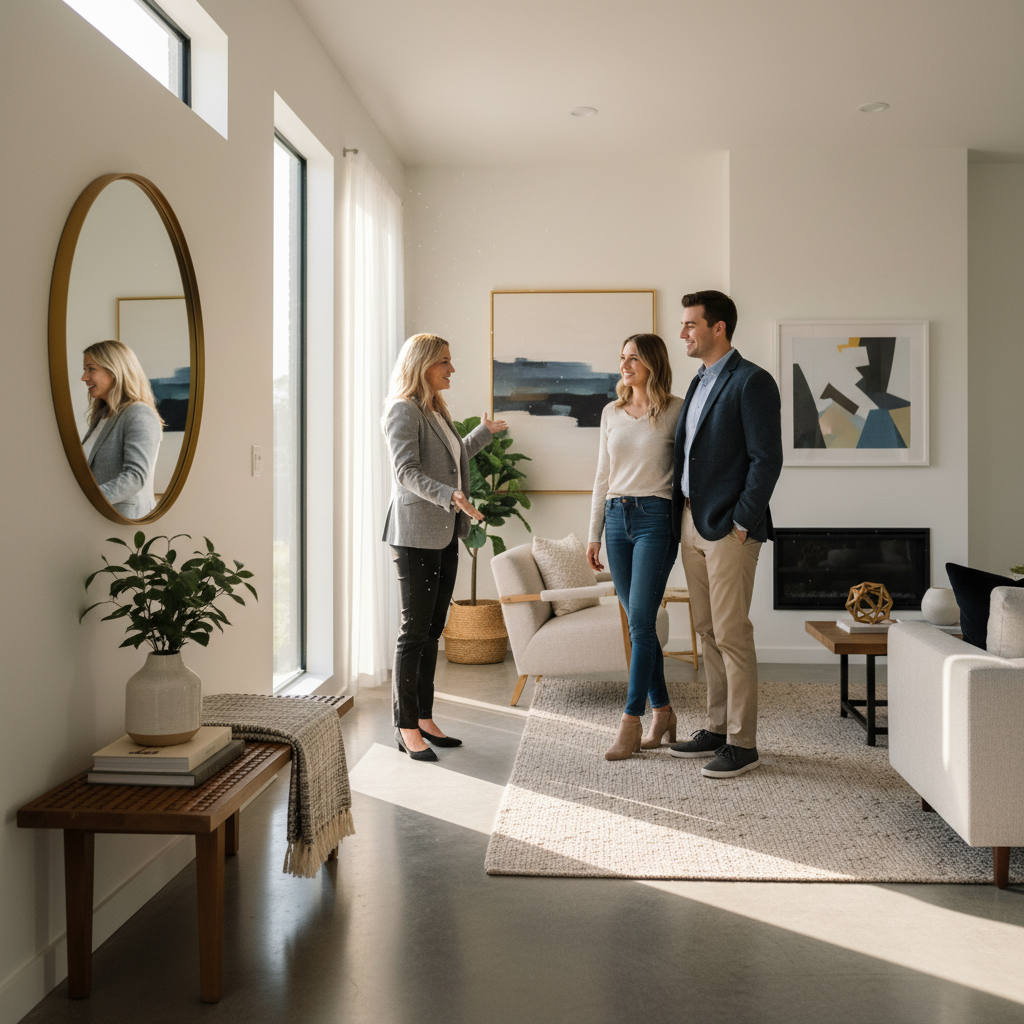
Value and ROI: Why This Pays Off Without Quoting Prices
Staging creates measurable advantages without discussing specific prices: stronger first impressions, more early showings, clearer room utility, and fewer objections. Those benefits compound into better negotiating leverage and cleaner, more confident offers.
Signals buyers notice (and pay attention to)
- Care and maintenance: A staged, clean home signals a well-kept property.
- Space and scale: Properly sized furniture makes rooms feel larger and more functional.
- Lifestyle cues: Thoughtful vignettes help buyers picture daily life in the space.
- Photo quality: Eye-catching thumbnails drive more people to book tours.
For sellers planning timelines and checklists, this Ontario marketing primer reinforces how sequencing and presentation work together to influence buyer confidence.
FAQ: Home Staging and Your Sale
These concise answers address the most common seller questions about staging—timelines, occupied versus vacant strategies, and how staging influences buyer behavior and negotiations.
What is the main goal of home staging?
Staging clarifies how each room should function and look in photos and in-person, so buyers quickly picture themselves living there. That clarity draws more showings and supports stronger, cleaner offers.
Do I need to stage a vacant home?
Vacant rooms look smaller and feel colder in photos. Full-home or targeted staging gives buyers scale reference and warmth. Even a few key rooms—living, kitchen, primary—can meaningfully improve engagement.
How long does staging take?
Most occupied stagings can be planned within a week and installed in a day. Add time for paint, minor repairs, or rentals. We sequence staging right before professional photography and your launch week.
Will staging still help in a seller’s market?
Yes. In hot markets, staging sharpens first impressions and encourages decisive, cleaner offers. It also helps your home compete directly against similarly priced listings that are professionally presented.
Conclusion and Next Steps
Staging is a disciplined marketing system that amplifies value, accelerates decisions, and strengthens negotiations. When synchronized with pricing, media, and launch timing, it consistently supports faster, cleaner sales outcomes.
- Key takeaways: Clarify room purpose, light every space, stage before photos, and launch with momentum.
- Action steps: Book a staging assessment, follow the prep list, and schedule media post-install.
- Support: Malika Homes coordinates stagers, rentals, and trades through our vetted concierge network.
Let’s map your launch week. If you’re selling in the GTA, we’ll align staging, media, and pricing so you enter the market with confidence. Start with our selling process guide or contact Malika Homes to plan your staging assessment.
Ready to sell? Book a discovery call with Malika Homes in Mississauga to align staging and listing strategy from day one.
Tags
Have questions about Ontario real estate?
Book an appointment with Malika Mehrotra to discuss your buying or selling goals.
Book Appointment