Vastu Layout: Create Calm Spaces That Feel Right in 2026
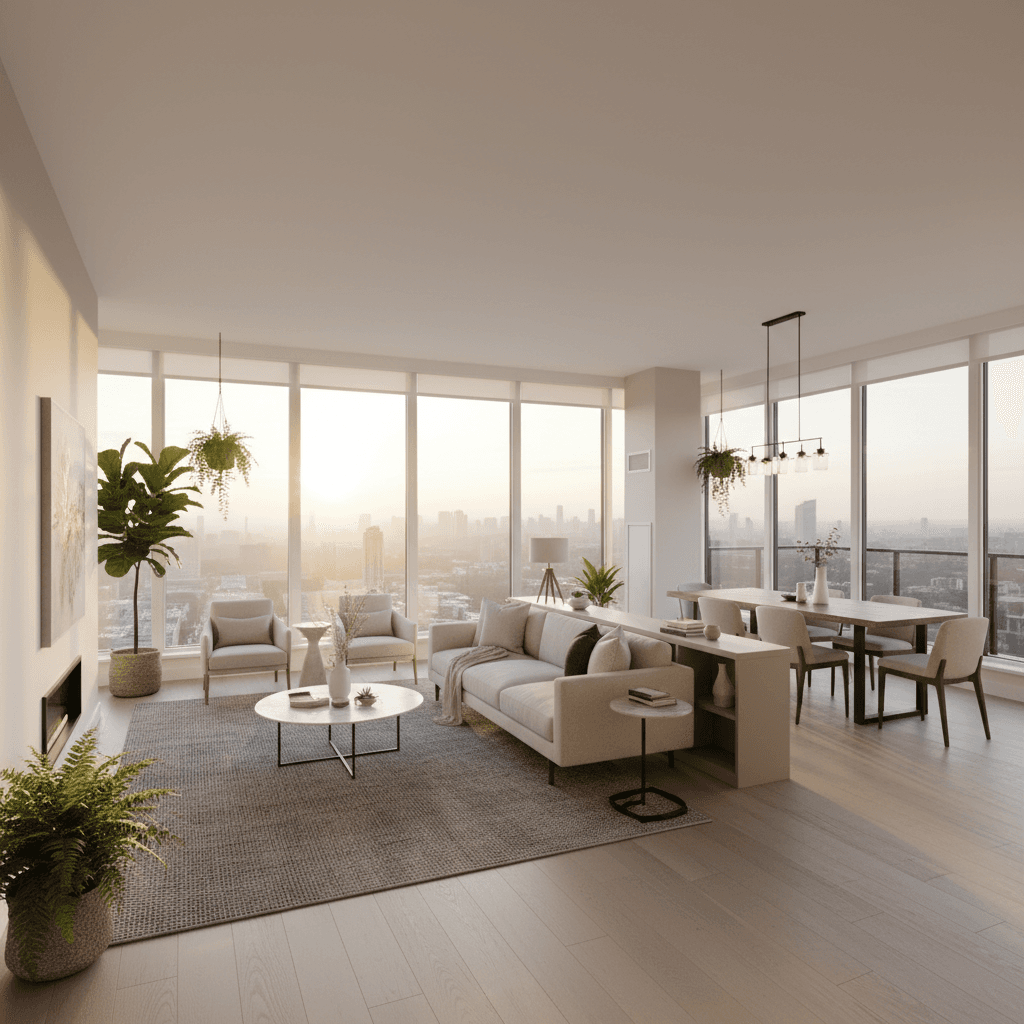
Vastu consultation for home layout is a guided process that aligns your floor plan, room placement, and orientation with time-tested Vastu principles. From our Mississauga office at 6750 Davand Dr, Malika Homes tailors these steps to Ontario homes so your spaces feel balanced, practical, and ready for life’s next chapter.
By Malika Mehrotra — Founder & Realtor | Last updated: April 30, 2026
Quick Summary
This complete guide explains how Vastu-informed layouts improve flow, comfort, and daily living. You’ll learn what Vastu is, why it matters in the GTA, the step-by-step consultation process with Malika Homes, practical room-by-room placements, tools, examples, and local tips specific to Mississauga and the Regional Municipality of Peel.
Here’s what you’ll get at a glance:
- Plain-English definitions of Vastu and how it applies to modern condos and detached homes
- A clear process for assessing your current plan and making improvements
- Room-by-room best practices you can apply today
- Real GTA examples and when to book professional help
- Links to helpful resources, checklists, and calculators
We use a data-first, design-harmony approach so your Home plan isn’t just spiritual—it’s sensible, safe, and suited to everyday life.
What Is Vastu Consultation for Home Layout?
Vastu consultation for home layout is an expert review of orientation, room placement, and energy flow based on Vastu Shastra. The goal is a layout that feels natural and functions well—optimizing light, movement, rest, and privacy—without forcing impractical or expensive changes.
Vastu, at its core, connects placement with purpose. It looks at where sunlight enters, how you move, where you rest, and what activities need focus or vitality. In practice, that means aligning key rooms with sensible directions, reinforcing good zones, and remediating constraints in condos and resale homes.
How Vastu translates for today’s GTA homes
- Orientation-aware design: Use natural light to signal activities—bright mornings for kitchens and study, calmer zones for bedrooms.
- Function-first layouts: Keep circulation clear, group noisy and quiet zones sensibly, and ensure privacy where it counts.
- Practical remedies: When structure can’t move, use furniture placement, lighting, and intentional decor to redirect flow.
We’ve found that blending Vastu with building realities prevents overcorrection. You still get harmony, but it’s tailored to how you live, not constrained by a rigid checklist.
Why Vastu-Guided Home Layout Matters in the GTA
Vastu-guided layouts help GTA homeowners create calmer routines, better sleep, and smoother traffic flow. In Mississauga and the Regional Municipality of Peel, diverse housing stock and changing sun paths make orientation-aware planning a simple way to boost comfort without major renovations.
Why it matters now:
- Daily rhythm: Align bright activities with morning light and wind down in naturally quieter zones.
- Space efficiency: Avoid wasted hallways and awkward corners by assigning clear roles to rooms.
- Resale confidence: Intuitive layouts photograph better and show well—great for listings and open houses.
In our experience across Toronto, Mississauga, Brampton, and Oakville, the best results pair daylight, airflow, and furniture zoning. The result is a layout that “just works,” even for busy households and multigenerational living.
How a Vastu Consultation Works with Malika Homes
Our consultation maps your current plan, sunlight, and habits, then prioritizes simple changes with the biggest impact. You’ll leave with a room-by-room action plan, remedies for constraints, and optional design coordination through our vetted partner network.
Here’s our proven workflow:
- Discovery call: Goals, lifestyle, family routines, and any worries you want to solve (sleep, clutter, privacy).
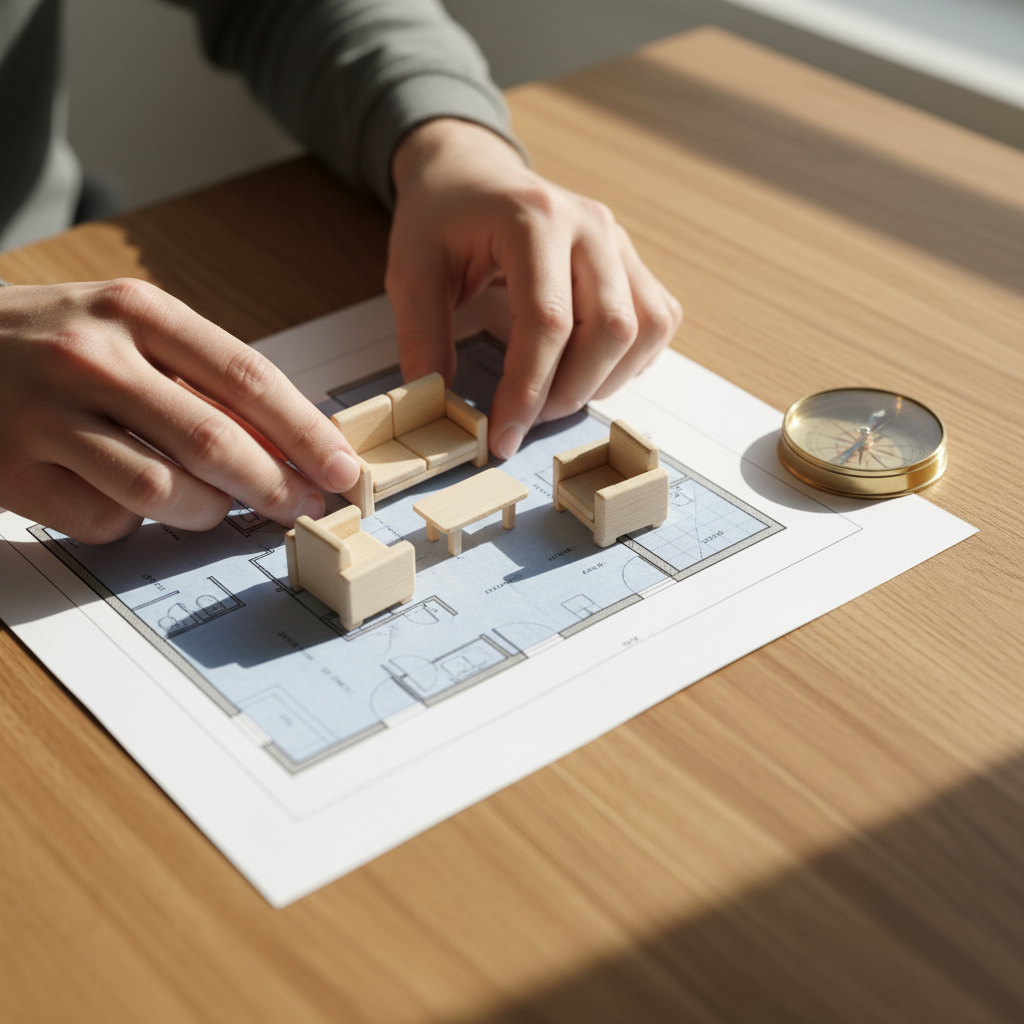
- Plan + compass review: We review your floor plan and orientation, noting entry alignment, window exposure, and vertical stacks.
- Walkthrough (virtual or in-person): We observe traffic patterns, light quality, noise, and storage pressure points.
- Room-by-room recommendations: We mark placements for beds, desks, sofas, dining, and work zones.
- Remedies for fixed elements: Where walls or plumbing can’t move, we use layout, lighting, and materials to redirect flow.
- Implementation support: Need staging or small updates? Our Concierge Service coordinates vetted pros.
- Follow-up check: We fine-tune after you’ve lived in the new layout for a few weeks.
Ready to explore your own plan? You can start with a quick chat from our homepage or go straight to a planning session using our booking link.
For homeowners planning a move, we can align Vastu with market timing, negotiation, and financing. Explore the buy/sell journey and book a strategy session to bridge design and transaction decisions in one go.
As you prepare, our downloadable guides and calculators make decisions easier. They’re built for Ontario rules and GTA realities.
Local considerations for Mississauga
- Mid-morning light at east-facing entries near Derry Rd At Dixie Rd bus corridor can energize kitchens and breakfast nooks—plan storage and seating accordingly.
- Winter sunsets arrive early; layer warm, indirect lighting in family rooms to extend cozy hours without glare.
- Weekday traffic near industrial corridors can add noise; prioritize bedroom placement or sound-softening materials on street-facing walls.
Types, Methods, and Approaches You Can Use
Whether you own a detached home, townhouse, or condo, you can apply Vastu with the same framework: honor orientation, zone activities, and fix bottlenecks first. For new builds, bake it into the plan; for resale and condos, rely on furniture zoning and layered lighting.
New build or pre-construction
- Front door and foyer: Treat the entry as a calm threshold—good lighting, shoe/coat organization, and a clear view line.
- Stacking strategy: Align kitchens, bathrooms, and laundry for efficient plumbing and quiet bedrooms.
- Sun path planning: Position daily-use spaces where light supports the activity; keep media rooms away from glare.
Resale homes
- Optimize what’s fixed: Keep plumbing cores intact; redirect flow with furniture, rugs, and art.
- Privacy zoning: Separate noisy zones from bedrooms using doors, bookcases, or area rugs.
- Staging for harmony: Use symmetrical arrangements and declutter to improve feel and showings.
Condos and small spaces
- Multi-use furniture: Wall beds, nesting tables, and fold-flat desks free circulation.
- Light layering: Combine task, ambient, and accent lighting to steer mood in open plans.
- Visual boundaries: Rugs and low bookcases define zones without adding walls.
Whichever category fits your home, the first wins often come from traffic clarity, storage that’s actually used, and daylight that matches what you do in each room.
Best Practices: Room-by-Room Vastu Layout
Start with the front door, kitchen, and primary bedroom—these anchor how you enter, refuel, and rest. Then align study/work zones with focused light and keep media or play areas away from sleep spaces. Use small, decisive changes before large renovations.
Front door and foyer
- Clear approach: Uncluttered path and a welcoming light source.
- Right-sized storage: Hooks, bench, and concealed bins to avoid pileups.
- Sightline: Soften direct views into living or kitchen with a console or plant.
Kitchen and dining
- Work triangle: Stove, sink, and fridge within easy steps; avoid crowding.
- Ventilation: Keep air fresh; stronger cooking zones need better exhaust and openable windows.
- Seating: Stable dining arrangement; balanced light, not harsh overhead glare.
Primary bedroom
- Bed placement: Headboard on a solid wall, not sharing plumbing; avoid door swing toward pillow.
- Light and tech: Dim, warm light; charge devices away from the bed to cue rest.
- Storage: Closed closets reduce visual noise; clear walkways around the bed.
Study/work zone
- Desk orientation: Face natural light from the side; avoid monitor glare.
- Acoustics: Add a rug or panels if near shared spaces.
- Cues for focus: Keep supplies reachable; limit distracting decor in sightlines.
Living room
- Conversation circle: Sofas and chairs that face, not just the TV.
- Traffic lanes: 36-inch walkways; avoid dead-ends behind sofas.
- Layered lighting: Combine lamps with dimmable overheads to match activities.
Planning dimensions (quick reference)
- Hallway and major paths: about 36 inches of clear width
- Dining: allow roughly 24 inches per seat and 36 inches behind chairs
- Bed clearances: aim for about 24 inches on each accessible side
- Door swing zones: keep roughly 32 inches clear for comfort
Placement guide (orientation vs. function)
| Room/Element | Helpful Orientation | Why It Works | Remedies if Fixed |
|---|---|---|---|
| Front Door | Bright, uncluttered approach | Sets tone and safety; easy arrivals | Improve lighting, add plants/console to guide flow |
| Kitchen | Good ventilation and morning light | Supports energy and fresh air for cooking | Upgrade exhaust, openable windows, task lighting |
| Primary Bedroom | Calmer, darker zone | Improves sleep and recovery | Blackout shades, move bed to solid wall |
| Study/Desk | Side-lit, quiet corner | Reduces glare and distractions | Desk lamp, screen filter, rug for acoustics |
| Living/Media | Even light, limited glare | Comfortable viewing and conversation | Sheers, dimmers, rotate seating |
Use the table as a starting point. The best choice is the one that fits how your household actually lives week to week.
Tools and Resources (Built for Ontario Living)
A simple compass, a printed plan, and sunlight notes are enough to start. Then use Ontario-specific resources—checklists, rebate tools, and e-books—to plan practical improvements without guesswork or endless shopping trips.
- Compass + plan set: Mark true north, note sunrise/sunset, and sketch traffic lanes.
- Daylight journal: Track where light lands hourly on a weekend; match activities to those zones.
- Staging checklist: Declutter, balance pairs (lamps, nightstands), and add breathable textiles.
To go deeper, we host practical tools and guides designed for Ontario buyers and sellers. They help align layout choices with your next move, whether you’re buying, selling, or exploring pre-construction.
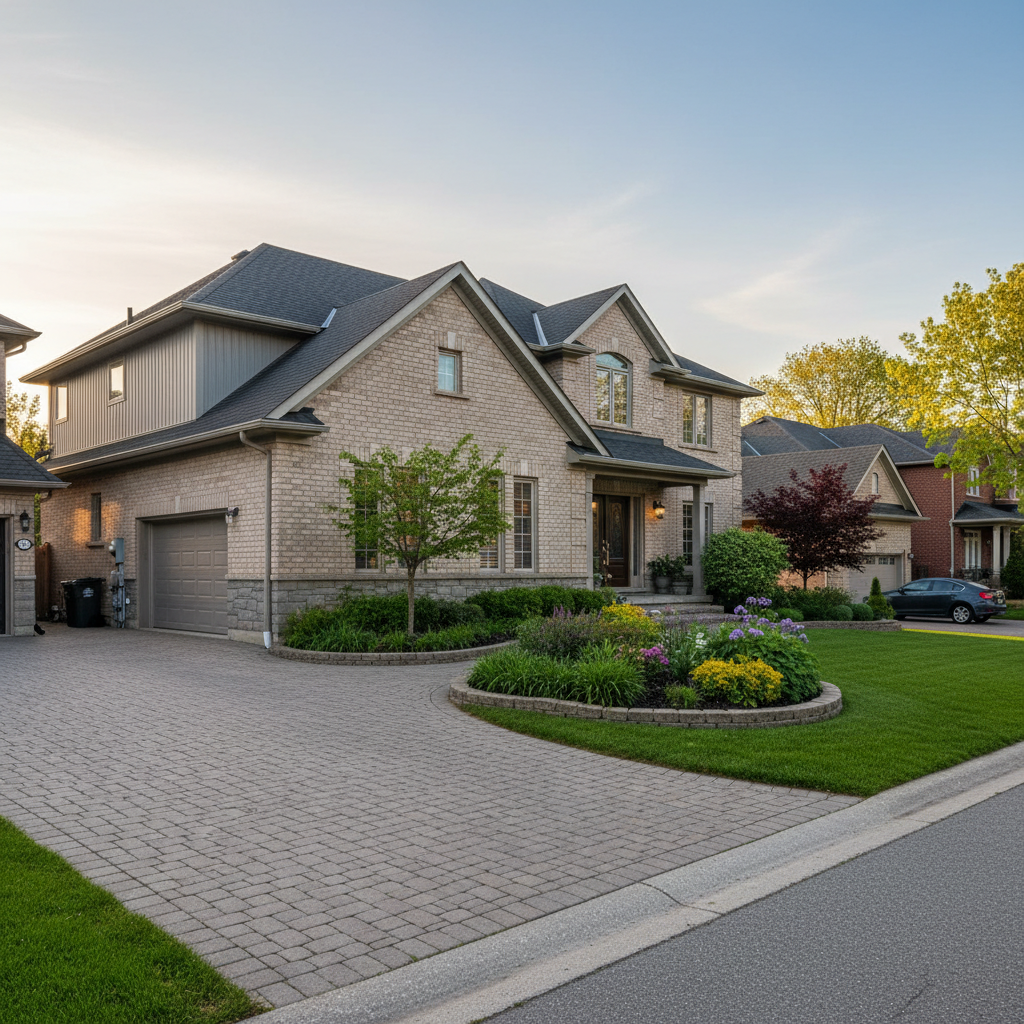
Considering light renovations that support better flow? Explore local renovation and landscaping insights in Mississauga to inform exterior approach paths and garden screening before you commit to changes.
Case Studies and Real-World Examples (GTA)
Small layout shifts often create the biggest wins. These GTA examples show how bed placement, entry clarity, or lighting layers changed daily life—without moving walls. Use them as patterns, then adapt to your home’s constraints.
Mississauga detached: better mornings, calmer nights
- Challenge: Busy entry and dark dining made mornings chaotic; late-night TV bled into bedrooms.
- Moves: Added console at foyer to slow traffic; swapped dining and lounge to capture morning light; layered dimmers.
- Result: Faster get-outs, brighter breakfasts, and quieter sleep.
Toronto condo: office without losing living space
- Challenge: Open-plan living room with glare on a work-from-home setup.
- Moves: Rotated desk to side light, added sheer panels, and defined zones with a rug and low shelf.
- Result: Clearer focus hours and a living room that still entertains well.
Brampton townhouse: kids’ room clarity
- Challenge: Bunk orientation near a bathroom wall and door swing toward pillows.
- Moves: Flipped bunks to a solid wall, moved dresser to catch morning light, added blackout shades.
- Result: Better sleep and simpler school-day routines.
Oakville pre-construction: baking Vastu into the plan
- Challenge: Kitchen and laundry originally split the main floor; bedrooms stacked over noisy rooms.
- Moves: Consolidated plumbing cores, created a sunrise breakfast corner, and placed the primary bedroom in a calmer zone.
- Result: Efficient circulation, restful sleep, and a plan that shows beautifully.
Pattern to copy: stabilize your anchors (entry, kitchen, primary bedroom), then layer lighting and storage cues. Everything else becomes easier.
Frequently Asked Questions
These quick answers address how Vastu applies in real GTA homes, including condos and resales. If your plan is fixed, simple remedies—furniture, light, and storage—still create meaningful change without major renovations.
Does Vastu work in condos where I can’t move walls?
Yes. Focus on desk and bed placement, light control, and traffic clarity. Use rugs and low shelving to define zones, plus warm, dimmable lighting for evenings. Small, layered changes guide flow even when structure stays put.
What should I prioritize first in a Vastu layout?
Start with the front door experience, kitchen ventilation and workflow, and the primary bedroom’s bed wall. These three set your daily tone—arrivals, fuel, and rest. Then refine study zones and media areas to limit glare and noise.
Can I combine Vastu with modern design styles?
Absolutely. Vastu is about alignment and purpose, not a specific aesthetic. Minimalist, transitional, or eclectic interiors can all work. Match light and function first, then layer materials and colors to your taste.
How long does a consultation take to implement?
Most changes—furniture rotation, lighting layers, storage fixes—happen in a weekend. Larger tweaks like swapping room functions or minor reno coordination take longer. We stage changes in phases so you see wins early.
Key Takeaways
Anchor your home with three moves: clarify the entry, ventilate and light the kitchen, and place the bed on a stable wall. Then fine-tune study zones, living areas, and storage. Start small and iterate—your space will feel better fast.
- Vastu is practical when focused on orientation, traffic, rest, and light.
- Begin with entry, kitchen, and primary bedroom for outsized impact.
- Use furniture, lighting, and storage to solve most constraints.
- Match zones to daylight; reduce glare where you work and relax.
- Document wins and iterate seasonally to keep momentum.
When you want expert eyes, Malika Homes blends Vastu know-how with negotiation strategy and data tools—so your next move is coordinated from layout to offer.
Conclusion and Next Steps
A Vastu-aligned layout is a calm, functional roadmap for daily life. Start with a compass, simple sketches, and a few decisive changes. If you’re buying, selling, or planning pre-construction, align your layout goals with market moves for a smoother, more confident journey.
- Sketch your plan, mark north, and list top three pain points.
- Fix the easy wins: bed wall, desk rotation, foyer clarity, lamp pairs.
- Decide your next step: stay-and-improve, buy-and-upgrade, or pre-construction.
Soft CTA: Ready for a calm, efficient home? Book a Vastu-informed planning session with Malika Homes. We’ll translate your goals into a room-by-room roadmap and, if needed, coordinate trusted pros.
To integrate layout goals with your property plans, see our combined buy and sell guidance and our latest market updates newsletter. You can also explore our free e-books for first-time buyers and investors, and use our Ontario-ready HST rebate calculator when planning improvements. When you’re ready to act, request a free consultation or browse client stories on our reviews page to see how we blend design harmony with results. For exterior approach paths and garden screening ideas that complement entry flow, explore local perspectives on landscape design in Mississauga and renovation viewpoints from area home renovation specialists. If you’re rethinking kitchens to support light, ventilation, and cooking flow, you may also find inspiration in regional kitchen design insights.
Tags
Have questions about Ontario real estate?
Book an appointment with Malika Mehrotra to discuss your buying or selling goals.
Book Appointment