Pre construction versus resale condo: a clear, criteria-by-criteria way to choose
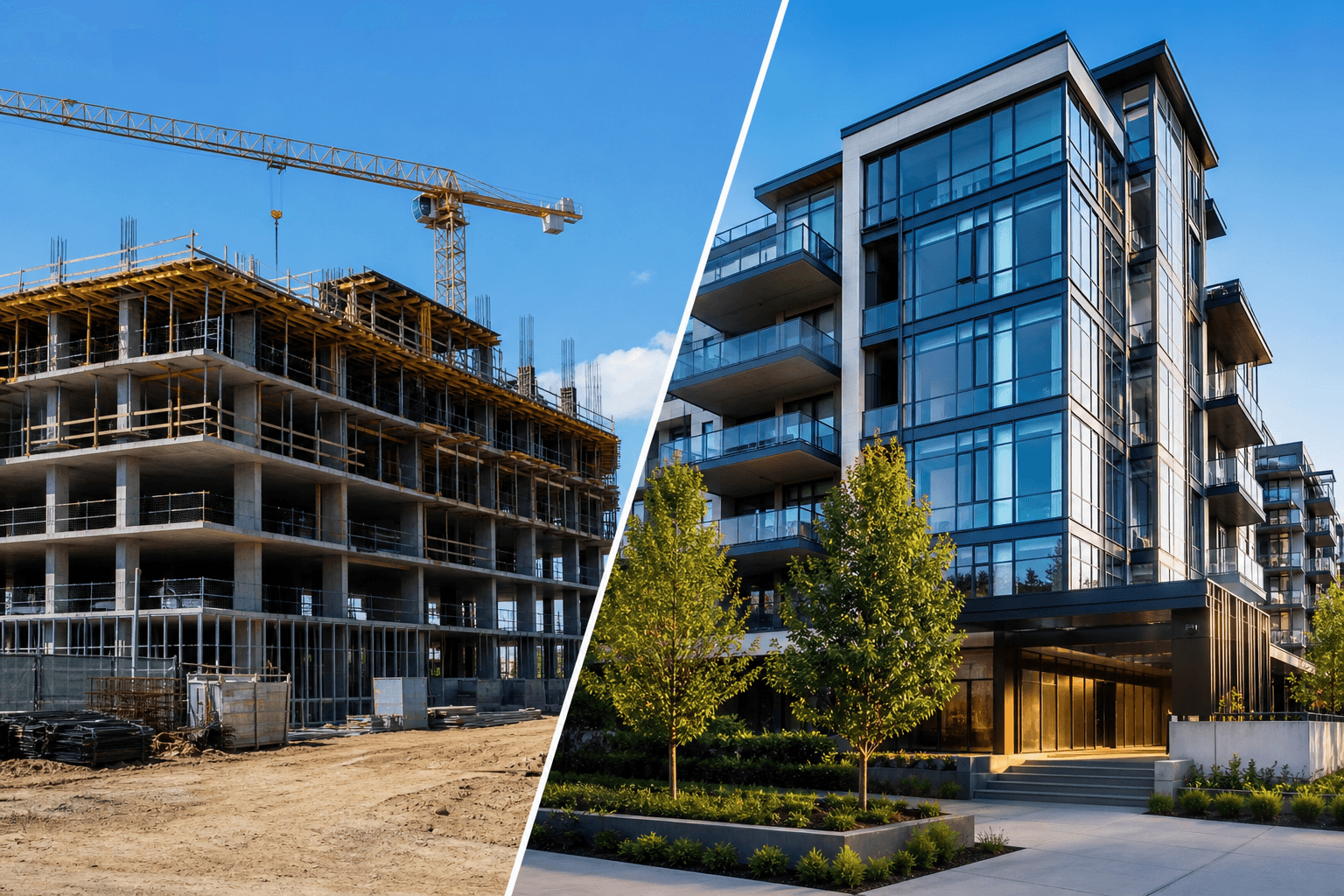
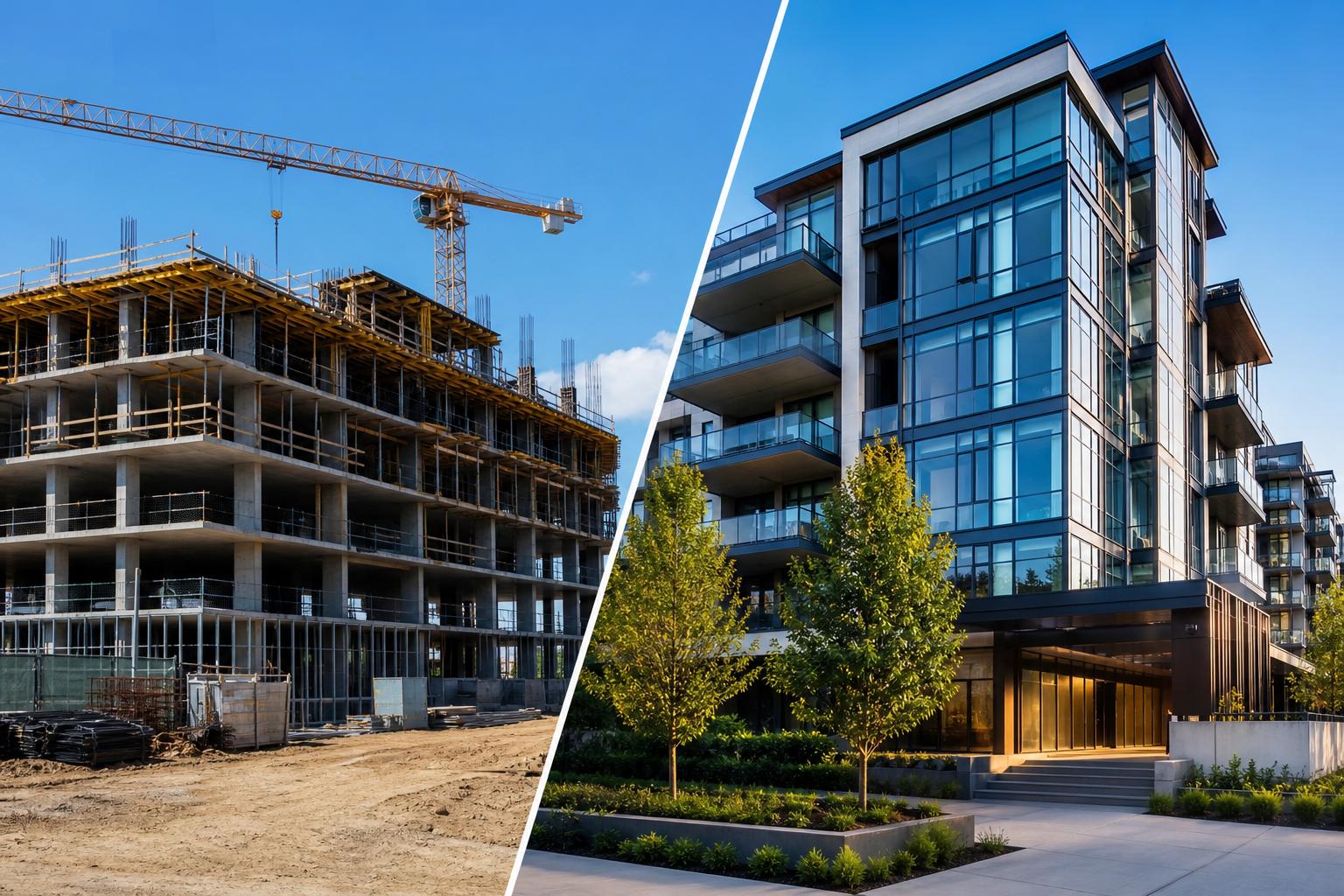
Pre construction versus resale condo: a clear, criteria-by-criteria way to choose
If you’re weighing a pre construction versus resale condo, you’re really choosing between two very different purchase journeys. One offers the appeal of a newly built home and phased payments before move-in; the other provides immediate occupancy, visible condition, and current-market comparables. The right choice depends on your timeline, tolerance for uncertainty, cash-flow plan, and how you intend to use the condo (live-in or invest). This article breaks the decision down into practical, verifiable criteria you can score for yourself—no buzzwords, just the trade-offs that matter.
What you actually get with each option
To compare apples to apples, define what each path typically involves:
- Pre-construction condo: You commit to a unit in a building that is planned or under construction. You review floor plans, developer materials, and specifications rather than a finished home. Your payments are scheduled over time, and you take possession when the building is ready.
- Resale condo: You buy a condo that already exists. You can tour the suite, inspect the building and amenities as they stand today, and close on a typical resale timeline with immediate or near-term move-in or rental.
Neither is automatically better. Your best fit comes from matching the path to your timeline, cash constraints, flexibility on finishes, predictability needs, and investment strategy.
Compare by timeline and move-in needs
Start with the one constraint you can’t bend: time.
- Pre-construction fits if you don’t need to live in or rent the condo immediately. You commit now, then plan for future occupancy once the project completes.
- Resale fits if you do need a home or income unit right away. You can align closing with your current lease or sale timeline.
Key questions to ask yourself:
- When do I realistically need keys in hand?
- Could a construction or registration delay materially disrupt my life or plans?
- Do I prefer to stage my purchase commitments over time or complete them in one closing window?
Cash flow and cost components
While every purchase is unique, you can outline the types of costs and how they typically appear in each path. Avoid relying on averages—ask for itemized estimates for any property you consider.
- Pre-construction generally involves staged deposits prior to completion, closing adjustments when the building is delivered, and then ongoing carrying costs after final closing. Your mortgage financing is typically arranged closer to completion.
- Resale concentrates most capital needs at closing: down payment, closing adjustments, and immediate ongoing carrying costs. Your mortgage is arranged before closing.
Cash-flow planning considerations:
- How comfortable are you with staged deposits versus a single, larger closing?
- Do you have a buffer for adjustments at completion (pre-construction) or for immediate setup costs (resale)?
- If investing, can you carry costs before rental income begins (pre-construction) or do you need income to start immediately (resale)?
Important note: Taxes, closing adjustments, and financing terms vary by situation. For decisions with financial, tax, or legal implications, consult qualified professionals who can review your documents and circumstances.
Certainty vs. prediction: the risk profile
Every real estate choice has risk; the question is which risks you prefer to manage.
- Pre-construction risk factors often include delivery timelines, potential design or specification changes within the allowable ranges, and market conditions between purchase date and completion. You mitigate these through careful due diligence on the developer, contract terms, and conservative planning buffers.
- Resale risk factors center on the actual condition of the unit and building, resale pricing at purchase, and any known or emerging building issues. You mitigate these with inspections where applicable, a thorough review of building disclosures, and verification of recent comparable sales.
Ask and verify:
- What are the documented timelines or occupancy windows? What happens if they change?
- What are the allowed tolerances for layout and finish changes in pre-construction contracts?
- For resale, what do building documents reveal about maintenance, projects, or anticipated work?
Customization and finish control
Think about how much you care about brand-new finishes versus the ability to see and touch exactly what you’ll buy.
- Pre-construction: You often select finish packages from a curated set. You get a never-lived-in home delivered to current design standards.
- Resale: You evaluate the exact finishes and condition today. If you want a different look, you plan and budget for post-purchase updates.
Personalization decision points:
- Am I satisfied choosing from builder-standard options, or do I need full visibility before I commit?
- Would a targeted renovation after closing be a better path to my preferred style?
Location and building information
Data access differs between future and existing buildings.
- Pre-construction: You rely on the developer’s plans, planning approvals as available, the site’s broader area plan, and the developer’s track record delivering similar communities.
- Resale: You can review the existing building’s common areas, observe how amenities are maintained, and analyze a history of comparable sales and days on market for similar units.
Verification checklist:
- What independent documents can I review today (approvals, site plans, third-party reports)?
- For resale, how does the current condition of common areas compare with marketing photos?
- What objective, recent sales data exists for similar units?
Investment lens: occupy vs. rent
Your intended use changes what “good” looks like.
- Owner-occupiers: Prioritize certainty of move-in date, day-one livability, and personal comfort with the building’s vibe and community. Resale often shines here, but a pre-construction with a timeline that matches your plans can also work well—especially if you want a brand-new home tailored to current living standards.
- Investors: Clarify your time horizon and cash-flow objectives. Pre-construction aligns with longer horizons and potential alignment with future demand, while resale allows for immediate leasing strategies based on current market conditions and comparable rents. Validate assumptions with conservative scenarios.
No matter your goal, use a stress test: Could your plan still work if timelines shift or if carrying costs are a bit higher than expected?
A simple decision scorecard
Give each criterion a 1–5 score (1 = not important to me or poorly met; 5 = very important to me and strongly met), then compare totals.
- Immediate occupancy needs
- Comfort with construction timelines
- Desire for brand-new finishes
- Preference for seeing the exact unit before committing
- Cash-flow preference (staged deposits vs. single closing)
- Risk tolerance for future market conditions
- Ability to handle potential delays or adjustments
- Investment horizon (longer-term vs. near-term)
- Certainty of building condition and history
- Flexibility for renovations after purchase
Higher total in pre-construction-leaning criteria suggests the pre-build path may align better; a higher total for certainty and immediacy suggests resale.
Due diligence checklists
Use these lists to structure your research and professional consultations. They are prompts, not legal or financial advice.
Pre-construction checklist
- Developer background and delivery history of similar projects
- Project documentation: plans, specifications, and permitted ranges for changes
- Estimated timeline and what constitutes a delay under the contract
- Deposit structure and any protections or conditions
- Expected closing adjustments and when they are calculated
- Finish selections, upgrade options, and cut-off dates
- Any restrictions that may affect future use or leasing
- Neighborhood plans or nearby projects that could affect livability
Resale checklist
- Unit condition today: systems, finishes, and any known defects
- Building condition and maintenance practices you can observe
- Recent comparable sales and current market positioning for the unit
- Any building disclosures, rules, or upcoming projects you can review
- Estimated closing costs and immediate setup expenses after possession
- Potential for renovations and a realistic timeline to complete them
Owner-occupier vs. investor: quick paths
If you plan to live in the condo, clarify:
- Do I need a predictable move-in date more than I want brand-new finishes?
- Is the convenience of seeing the exact home worth prioritizing resale?
- Would waiting for pre-construction align better with my current living situation?
If you plan to rent the condo, clarify:
- Do I want to start generating rental income soon (resale), or am I positioning for future demand (pre-construction)?
- Am I prepared to cover carrying costs until occupancy (pre-construction) or for any vacancy (resale)?
- What are my conservative scenarios if timelines shift or if unit preparation takes longer than planned?
Common missteps to avoid
- Choosing based on finishes alone without mapping timeline and cash flow
- Underestimating the impact of potential delivery shifts (pre-construction)
- Skipping a thorough review of building information (resale)
- Relying on optimistic assumptions for rent or resale without stress testing
- Not setting aside a buffer for adjustments, setup, or minor fixes
Questions to ask any agent or seller
- What independent documents can I review today to verify claims?
- Which dates are firm and which are estimates? What are the documented remedies if dates change?
- What typical adjustments or setup costs should I plan for in this specific building or project?
- What are the most recent comparable benchmarks that support the price or projected value?
- If I changed my plan (live-in vs. rent), how would that affect timing and costs?
FAQ
Is a pre construction versus resale condo cheaper?
Neither path is inherently cheaper in all cases. Pre-construction distributes capital over time and delivers a new home at completion; resale concentrates most costs at a single closing and gives you today’s visibility into condition and comparables. Compare itemized estimates for the specific unit or project you’re evaluating and stress test your assumptions. For financial questions that affect your situation, consult qualified professionals.
Which is better for first-time buyers: pre-construction or resale?
It depends on your priorities. If you need a predictable move-in date and want to see the exact home you’re buying, resale often fits. If your timeline is flexible and you prefer brand-new finishes with staged deposits, pre-construction can be appealing. Use the scorecard and checklists above to match the choice to your needs and seek professional guidance before you commit.
What if the market changes before my pre-construction completes?
Market conditions can change at any time. The key is to prepare conservative plans for financing and carrying costs, maintain buffers for adjustments, and understand your contract’s timelines and terms. If a shift would materially impact your ability to close, speak with qualified legal, mortgage, and real estate professionals early to review your options.
Can I customize finishes more with pre-construction?
Pre-construction often provides curated finish packages and, in some cases, optional upgrades within set timelines. Resale provides full visibility of existing finishes; you can then plan renovations to meet your preferences. The better route depends on whether you want a builder-delivered set of options or prefer to renovate after closing.
Which option is better for investors?
Both can work, but they solve different objectives. Pre-construction can align with a longer horizon and phased capital; resale supports immediate leasing strategies. Evaluate conservative cash-flow scenarios, your tolerance for timeline changes, and your exit flexibility. Always validate assumptions with current data and seek professional advice for financing or legal matters.
Bottom line: how to decide today
Start with your non-negotiables—move-in date, cash-flow limits, and your comfort with uncertainty. Score each criterion, verify claims with documents you can review now, and run conservative scenarios. If the pre-build path matches your flexibility and horizon, lean pre-construction. If certainty, immediacy, and visible condition matter most, lean resale.
Important limitation: This article is for general education, not legal, financial, mortgage, or tax advice. Before you sign anything, consult qualified professionals who can review your specific documents and situation.
Tags
Have questions about Ontario real estate?
Book an appointment with Malika Mehrotra to discuss your buying or selling goals.
Book Appointment