Investment Property: Avoid Costly Mistakes in 2026
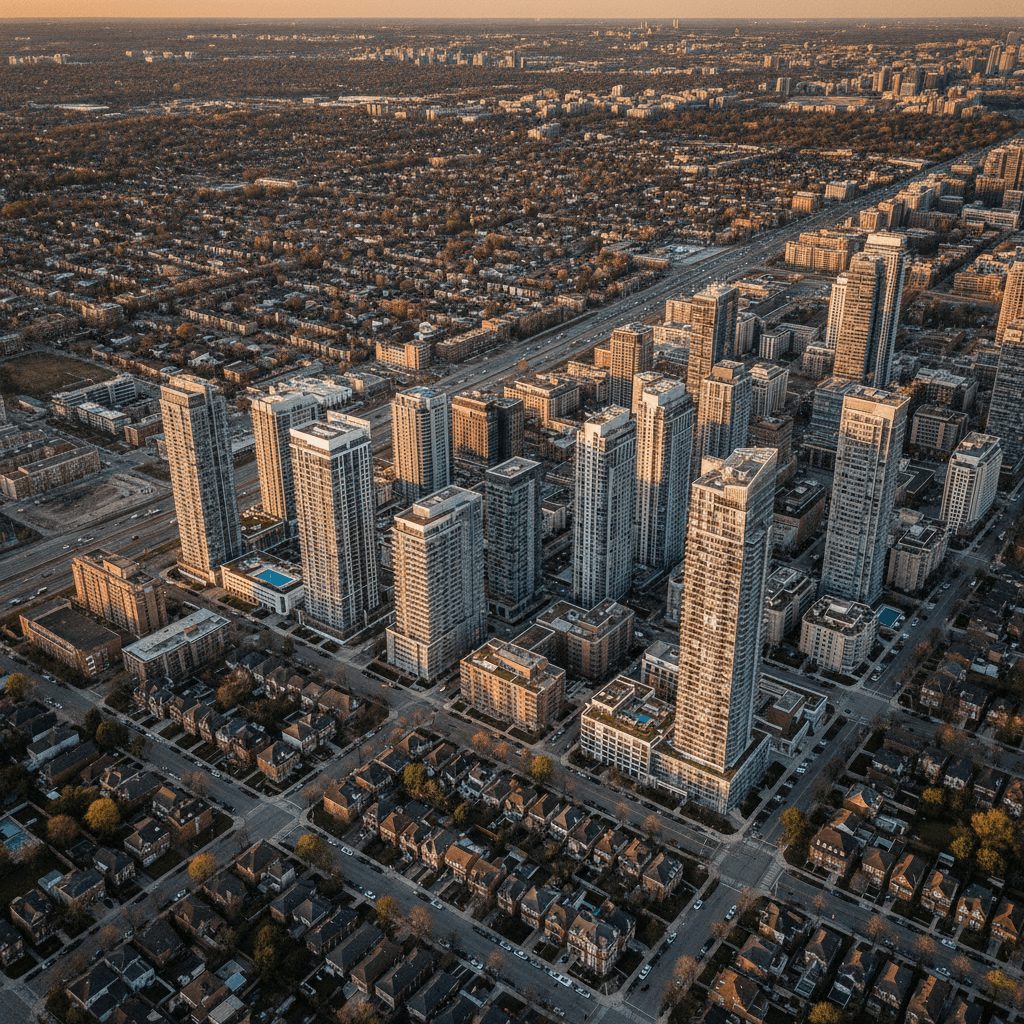
Investment property for sale refers to real estate acquired to generate rental income and long-term equity growth. The right choice balances durable tenant demand, realistic expenses, and clear exit paths. From our Mississauga base at 6750 Davand Dr, Malika Homes guides GTA investors with data-driven screening, rigorous negotiation, and end-to-end execution.
By Malika Mehrotra • Last updated: June 21, 2026
At a Glance
Evaluate any investment property for sale by confirming income, modeling full expenses, stress-testing financing, and validating legal use. Focus on location demand, building condition, and exit options. A consistent underwriting process prevents surprises and supports calm, confident offers in fast markets.
This complete guide explains how to source, underwrite, and secure properties across the Greater Toronto Area. You will learn practical math for NOI, cap rate, and cash-on-cash; on-the-ground due diligence; and negotiation tactics we use daily. We also include Mississauga and Regional Municipality of Peel nuances that shape rentability and risk.
- What counts as an investment property and how it differs from a primary residence
- Step-by-step evaluation that protects cash flow and flexibility
- Common property types and investing approaches in the GTA
- Best practices that reduce risk during ownership
- Local insights for Mississauga and Peel investors
- Tools, checklists, and partner workflows that speed execution
Overview and quick navigation
- What Is an Investment Property?
- Why It Matters in Ontario
- How to Evaluate a Listing
- Types and Approaches
- Best Practices
- How the Deal Works
- Tools and Resources
- Case Studies
- Pricing and Value Factors
- Compare Properties Fast
- FAQ • Key Takeaways • Conclusion
What Is an Investment Property?
An investment property is real estate purchased to earn rental income and build equity. It is analyzed as a business: revenue, operating costs, financing, and exit. The goal is durable cash flow and risk-aware appreciation, not lifestyle fit.
Think of each address as a small operating company. Revenue includes base rent, parking, storage, and pet fees. True operating expenses cover property taxes, insurance, maintenance, utilities (as applicable), management, leasing, and reserves. Subtract expenses from income to get net operating income (NOI). Finance costs then determine cash-on-cash returns and your debt service coverage ratio (DSCR).
Core concepts investors use
- NOI: Income minus operating expenses (excluding mortgage and principal).
- Cap rate: NOI divided by purchase price; a quick yield proxy for comparisons.
- Cash-on-cash: Annual pre-tax cash flow divided by total cash invested.
- DSCR: NOI divided by annual debt service; higher figures add resilience.
- Reserves: Set aside funds for repairs and capital improvements from day one.
In our experience, investors who treat underwriting like an operating budget outperform those who buy on emotion. Numbers first, then negotiation.
Why Investment Properties Matter in Ontario (Mississauga & Peel)
Investment properties matter in Ontario because population inflows, employment diversity, and transit access support steady rental demand. In Mississauga and the Regional Municipality of Peel, well-located rentals near commuter routes remain resilient through market cycles.
Demand in the Greater Toronto Area is shaped by employment centers, higher education, healthcare, and logistics corridors. Micro-location amplifies results: transit nodes, school catchments, and daily amenities influence tenant profiles and lease velocity. Balanced against holding costs and potential rent rules, the strongest plays pair convenience with good building health and thoughtful unit mixes.
Local considerations for Mississauga
- Walk the area near Derry Rd At Dixie Rd during weekday rush to observe commuter traffic and retail footfall before you buy.
- Use seasonal checks: fall rain reveals grading and drainage; winter shows drafts and insulation effectiveness quickly.
- For value-add projects, schedule trades and deliveries with access in mind around Dixie Rd At Courtneypark Dr; it prevents timeline drift.
How to Evaluate an Investment Property for Sale
Verify rent potential, model complete expenses, and test financing. Inspect systems and legal use. If the numbers hold, write a clean, protective offer with targeted conditions and timelines tied to your due diligence plan.
Here is the evaluation path we use with clients:
- Define a buy box: City, asset type, beds/baths, parking, age range, and target yield.
- Pull rent comps: Match neighborhood, finish level, bed/bath, parking, and outdoor space; confirm concessions and turnover times.
- Underwrite expenses: Taxes, insurance, maintenance, condo fees (if any), utilities, management, leasing, and reserves.
- Stress-test financing: Rate buffers, amortization, refinance options, and prepayment flexibility.
- Physical diligence: Roof, windows, HVAC, electrical, plumbing, moisture management, and egress.
- Legal diligence: Zoning, suite legality, safety separation, condo status certificate if applicable.
- Offer strategy: Clean structure and focused conditions aligned to your underwriting timeline.
| Step | What to verify | Useful output |
|---|---|---|
| Rents | Comparable leases, concessions, absorption pace | Pro forma rent roll and vacancy assumption |
| Expenses | Taxes, insurance, repairs, fees, utilities | 12-month operating budget with reserves |
| Financing | Rate, amortization, prepayment, refinance | Cash-on-cash and DSCR scenarios |
| Building | Systems, moisture, safety/egress | Repair plan and capex schedule |
| Legal | Zoning, suite legality, condo status | Conditions list and deal timeline |
For more background on GTA-specific nuances, see our investment property guide for Toronto and keep our broader Ontario real estate guide handy while you compare cities.

Types of Investment Properties and Approaches
GTA investors commonly choose condos, freeholds with secondary suites, and small multiplexes. Strategies range from turnkey buy-and-hold to light value-add renovations and pre-construction allocations. Match your approach to time, skills, and risk tolerance.
Property types we evaluate most
- Condos: Lower exterior maintenance and strong urban demand; review monthly fees, reserve fund, and building health.
- Freehold with legal suite: Basement or garden suites increase rent per lot; confirm legality and egress.
- Duplex/Triplex: Diversifies income streams; plan for electrical capacity, sound attenuation, and parking layout.
- Townhomes: Balanced maintenance profile; check bylaws for rental and short-term rules.
Popular strategies
- Turnkey buy-and-hold: Prioritize tenant profile and lease quality for fast stabilization.
- Value-add (light reno): Kitchens, baths, paint, flooring to lift market rent; manage downtime with staged work.
- BRRRR: Buy, renovate, rent, refinance, repeat; best for experienced operators with strong trades.
- Pre-construction allocation: Lock an assignment now for future delivery; align deposits and completion windows with your plan. See our Mississauga pre-construction guide.
Unsure which lane fits? Our concierge service pairs strategy with vetted inspectors, real estate lawyers, mortgage brokers, and contractors so execution stays smooth from offer to keys.

Best Practices That Protect Returns
Protect returns by underwriting conservatively, verifying legality, and negotiating with discipline. Hold a reserve, plan capital projects, and document assumptions. A clean process reduces surprises and keeps cash flow steady.
Underwriting guardrails
- Directional heuristics only: Rules of thumb (like expense ratios) are starting points. Replace them with local data.
- Vacancy and turnover: Model realistic downtime and leasing costs between tenancies.
- DSCR cushion: Favor healthier coverage to absorb shocks; do not rely on aggressive refinance timelines.
- Sensitivity tests: Lift expenses, trim rents, and raise rates to confirm resiliency.
Physical and legal diligence
- Systems map: Track roof, windows, HVAC, electrical, plumbing. Sequence projected replacements over 36 months.
- Suite legality: Confirm egress, fire separation, and permits. Illegal suites can jeopardize insurance and exit plans.
- Condo status health: Review financials, reserve fund, and special assessment risk before firming up.
Offer and negotiation
- Certified Negotiation Expert approach: Anchor with comps and underwriting, trade timelines for terms, and keep contingencies focused.
- Clarity wins: Clean offers with targeted conditions often beat higher but messy bids.
- Documentation: Keep a concise underwriting memo so your team aligns on risks, mitigations, and decision triggers.
For a deeper dive into regional specifics, pair this section with our Mississauga home-buying guide and ongoing Toronto market guide.
How the Deal Works, Start to Keys
Great acquisitions follow a repeatable path: clarify the buy box, screen listings fast, underwrite hard, secure pre-approval, write a clean offer, complete inspections and legal checks, then close and onboard tenants. Tight execution creates value beyond purchase price.
Step-by-step process
- Pre-approval and reserves: Align borrowing capacity, rate structure, and cash buffers before tours.
- Daily screening: Filter alerts for yield, micro-location, and condition; shortlist for touring windows.
- Tours with intent: Capture light, noise, smells, parking, and obvious repair flags with photos and notes.
- Rapid pro forma: Underwrite within hours; decide to pass, pause, or pursue.
- Offer structure: Balance price with terms (timelines, conditions) to win without overpaying.
- Due diligence: Inspections, zoning and suite legality, condo status, insurance, and lender conditions.
- Closing and handoff: Utilities, insurance, leases, lock changes, vendor scheduling, and tenant onboarding.
Prefer a pre-tour checklist? Use our Mississauga home-buying checklist. If you are earlier in the journey, see the first-time buyer checklist for foundations.
Free strategy consult: Want eyes on a live investment property for sale? Book a quick consult. We will review rent comps, your underwriting, and offer structure, then outline next steps with our vetted partner network.
Tools, Resources, and Templates
Use calculators, checklists, and plain-English templates to stay consistent. Standardized workflows reduce errors and make offers cleaner. Pair tools with trusted partners so each specialty—mortgage, legal, inspection—plugs into a single plan.
- Calculators: Model payments and common Canadian elements (including insurance and typical fees) with sensitivity tests for rates and rents.
- Contract literacy: A helpful purchase and sale template guide builds comfort with clauses and timelines in agreements.
- Buyer frameworks: A concise buyer’s guide framework can reinforce your pre-tour prep and diligence flow.
- Financing primers: If you are comparing loan structures, this investment property loan guide outlines common terms and trade-offs you will encounter.
For context on city differences, keep our Ontario guide and the updated Toronto market write-up on hand to track supply-demand shifts that affect rent and absorption.
Case Studies and On-the-Ground Examples
These brief scenarios show how underwriting, negotiation, and execution connect—and where a concierge model removes friction. The plays reflect what we see across Mississauga, Brampton, Oakville, and Toronto.
Mississauga multiplex: steady cash flow via light value-add
- Starting point: 1950s brick duplex near commuter bus routes; solid bones, dated kitchens.
- Plan: Conservative rents; staged kitchen upgrades and electrical updates in between tenancies.
- Execution: Offer with inspection and financing timelines; trades lined up in advance.
- Result: Lifted rent without extended vacancy; improved DSCR and tenant quality.
Brampton freehold with legal suite: diversifying income
- Starting point: Freehold with an existing legal basement suite to spread vacancy risk.
- Plan: Two leases modeled; emphasis on parking layout and sound attenuation.
- Execution: Front-load legality checks and egress confirmation; document tenant criteria.
- Result: Resilient cash flow from day one with diversified income streams.
Oakville pre-construction condo: timeline and assignment rules
- Starting point: Client prefers low-touch ownership and newer systems.
- Plan: Evaluate deposit structure, assignment provisions, and expected completion dates.
- Execution: Compare rent projections to fees at occupancy; pre-market to tenants ahead of delivery.
- Result: Smooth handoff with minimal downtime between registration and lease-up.
Pricing and Value Factors (Without Talking Numbers)
Price is the output of demand, supply, and condition. Map drivers like location quality, unit mix, finishes, systems age, and operating costs. Then translate them into NOI, DSCR, and risk before you choose your maximum offer.
- Location quality: Commute times, transit access, amenities, and school catchments.
- Unit mix and size: Studios may turn faster; larger 2–3 bed units often support longer tenancies.
- Condition and capex: Newer systems reduce near-term surprises and downtime.
- Operating costs: Property taxes, insurance, utilities; for condos, monthly fees and reserve health.
- Financing terms: Amortization and prepayment options shape cash-on-cash and flexibility.
- Regulatory factors: Bylaws, suite legality, tenancy rules; factor timing and compliance.
- New-build specifics: Understand closing adjustments and any available rebate mechanisms where applicable.
When you synthesize these inputs, a data-backed walk-away price emerges. That clarity simplifies negotiation.
How to Compare Properties Fast
Use a one-page scorecard: rent potential, expense load, DSCR, condition/capex, and location. Grade each A–F, weight by strategy, and tally a go/no-go. Consistency keeps you objective when listings move quickly.
- Rent potential: Anchor to comps and target tenant profile (students, young professionals, families).
- Expense load: Identify fee-heavy buildings early; track maintenance cadence.
- DSCR and sensitivity: Track how small changes in rates or rents affect coverage.
- Condition/capex: Color-code near-term items versus long-range replacements.
- Location: Assess transit, traffic, noise, and parking at different times of day.
We bake this discipline into every tour memo. Over market cycles, that process continues to protect our clients across the GTA.
Frequently Asked Questions
Investors often ask about financing structure, condo versus freehold, renovation timing, and property management. Clear answers speed decisions. These concise FAQs reflect common questions in the GTA investing journey.
How do I decide if a condo is better than a duplex?
Start with time and risk. Condos reduce exterior maintenance but add monthly fees and building rules. Duplexes diversify rent and offer value-add options but require more oversight. Underwrite both with the same rent comps, expenses, DSCR, and capex plan, then choose based on your skills and timeline.
What is the most common mistake first-time investors make?
Buying on hope instead of numbers. Many overestimate rent, ignore vacancy and turnover costs, or skip reserves. Use conservative comps, model realistic downtime, and maintain a repair calendar. A written underwriting memo helps you stay objective under offer pressure.
When does pre-construction make sense for investing?
It fits when you value newer systems, can align with staged deposits, and prefer a hands-off timeline. Review assignment rules and completion windows carefully, then compare rent projections against fees and carrying costs at occupancy.
Do I need a property manager from day one?
It depends on your bandwidth and tenant profile. Self-managing builds experience but takes time. A manager adds cost but can improve tenant placement speed, compliance, and maintenance response. Decide by workload, distance to property, and comfort with after-hours calls.
Key Takeaways
Win by pairing disciplined underwriting with local insight and clean execution. Grade properties the same way every time, protect downside with reserves and legality checks, and negotiate with data.
- Treat every address like a small business with a written plan.
- Let NOI, DSCR, and condition guide your maximum offer.
- Reserves and staged capex reduce stress and protect returns.
- Leverage partners for speed: mortgage, legal, inspection, trades.
- Stay local-smart: micro-location and tenant profile matter most.
Conclusion
The best investment property for sale is the one that fits your buy box, survives stress tests, and aligns with your timeline and skills. When you standardize underwriting and execution, results compound across a portfolio.
Choose a buy box, build your scorecard, and review two live deals with us. We will validate numbers, highlight risk, and shape a negotiation plan so you can act decisively on the right property. If you want broader context, revisit our Toronto market guide and statewide perspective in the Ontario real estate guide.
Book a discovery session in Mississauga: We operate from 6750 Davand Dr to serve investors across Peel and the GTA.
Tags
Have questions about Ontario real estate?
Book an appointment with Malika Mehrotra to discuss your buying or selling goals.
Book Appointment