Free home valuation Ontario: 5 red flags and what to do next


Free home valuation Ontario: 5 red flags and what to do next
How a free home valuation works and what you’ll receive
A free home valuation from an agent or an online estimator is a quick market-based estimate built from recent comparable sales, public property records and—when available—details supplied about the home. Typical deliverables are a concise market report that lists comparable sales, stated assumptions (for example: that the estimate assumes average condition unless otherwise disclosed), a suggested price range, and recommended next steps such as targeted repairs, staging, or ordering a formal appraisal.
Timing and method vary: agent-provided valuations often include a local review while automated online tools can return instant estimates but typically use less local context. A free valuation is not a certified appraisal and should not be treated as an official number for lending or taxation—use it as a practical pricing or offer strategy aid.
What a practical market report commonly includes: a short summary page with the headline estimate and stated assumptions; a comparable-sales grid that shows addresses, sale dates and adjustments with an explanation of why each comp was chosen; representative photos; a brief local-market commentary explaining supply and demand drivers considered; and recommended next steps such as prioritised repairs, staging suggestions, and options for formal appraisal or listing strategy. Ask the valuing party to label any items they estimated rather than verified so you can follow up or provide documentation to raise the report’s confidence.
Five red flags that make a free valuation misleading
When reviewing a free valuation, check for these common problems and use the corrective actions to improve reliability.
- Poor or distant comparables: If the report uses sales from a different neighbourhood or the wrong housing type (for example, detached-home sales used to value a semi-detached), the result can be materially off. Corrective action: ask the valuing agent to show the exact comparables (address, sale date, sale price) and to replace or adjust any comps that differ in lot size, type, or school zone.
- Ignored upgrades or hidden defects: A valuation that assumes average condition but omits a recent kitchen renovation or a known foundation issue will misstate value. Corrective action: provide before-and-after photos, permit records for renovations, or disclose defects so the estimator can adjust assumptions.
- Automated inputs without a local review: Instant automated estimates often miss micro-market shifts and condo-specific factors like maintenance fees or parking allocations. Corrective action: request a local-market check—an agent review that explains why each comparable is relevant.
- Outdated sales or a stale market snapshot: In fast-moving markets, older sales can under- or over-state value if recent direction isn’t applied. Corrective action: insist on very recent comps when the market is active and ask how the estimator adjusted for market direction.
- Missing neighbourhood context: School boundaries, transit changes, lot orientation, and nearby construction can swing buyer demand but are often ignored. Corrective action: provide neighbourhood details and ask the estimator to explain which local drivers were considered and how they influenced the recommendation.
For a clear explanation of how an appraisal process differs from a quick valuation and why inspection and documentation matter, consult the consumer guide on ordering an appraisal (How To Get A House Appraisal — Forbes Advisor Canada).
Free valuation versus municipal assessment versus a certified appraisal
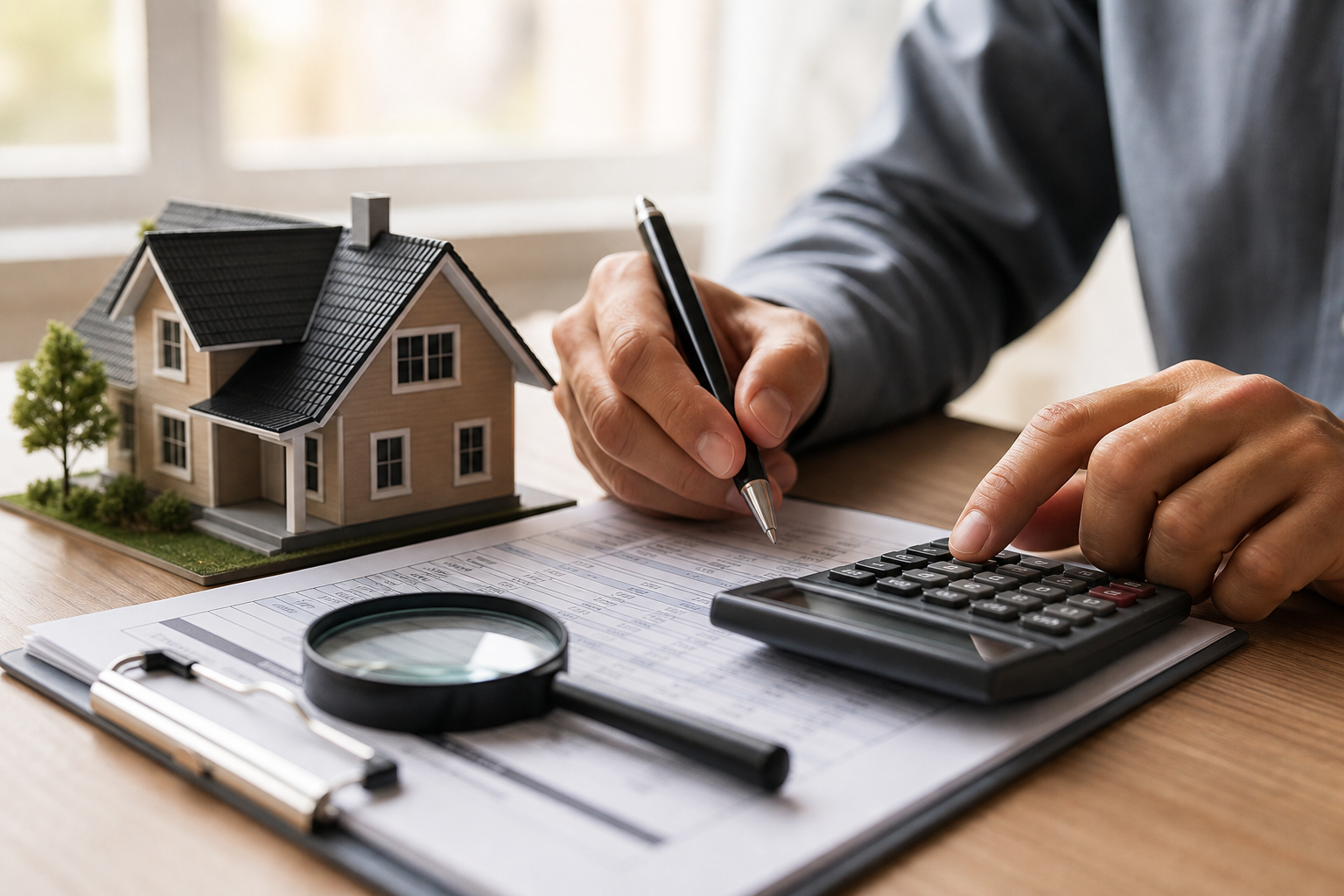
Ontario produces multiple value signals that serve different purposes: a free market valuation (an agent or online estimate) intended for listing or offer strategy; municipal assessments used for property taxation; and certified appraisals used for lending, legal or formal reporting.
Municipal assessments are governed by provincial law: the Assessment Act sets the legal framework for how properties are assessed and for valuation days in Ontario (Assessment Act, R.S.O. 1990, c. A.31). The Open Government Portal also publishes municipal property-assessment datasets that can help compare assessment history across neighbourhoods (Property assessments by municipality — Open Government Portal).
Exactly what to submit for a more accurate free valuation and tools to model proceeds
Preparing a concise information package reduces assumptions and improves estimate quality. Share:
- Property basics: address, lot size, year built, dwelling type and parking arrangements.
- Recent improvements: renovation dates, contractor receipts and building permits (kitchen, roof, HVAC, windows).
- Condo documents when applicable: the status certificate and maintenance fee history.
- Known defects or issues: pest, water, structural, or environmental concerns.
- Comparable sales or current listings you believe are relevant (addresses and sale/list dates).
To make review easier, compile a single PDF or shared folder with photos and permits and include a short cover note flagging priority items—this helps the estimator reduce assumptions and improves the confidence of the result. After receiving a headline valuation, convert it into affordability or net-proceeds scenarios using online calculators. The Government of Canada maintains a suite of financial tools and mortgage calculators that help model payments, amortization, and other scenarios (Government of Canada financial tools and calculators).
For environmental due diligence—especially before listing or making an offer—use Ontario’s Environmental Property Information (EPI) program to request property-specific environmental records that can affect marketability and price (Environmental Property Information Program — Ontario).
Local context for Toronto, Mississauga, Brampton and Oakville and why neighbourhood comparables matter
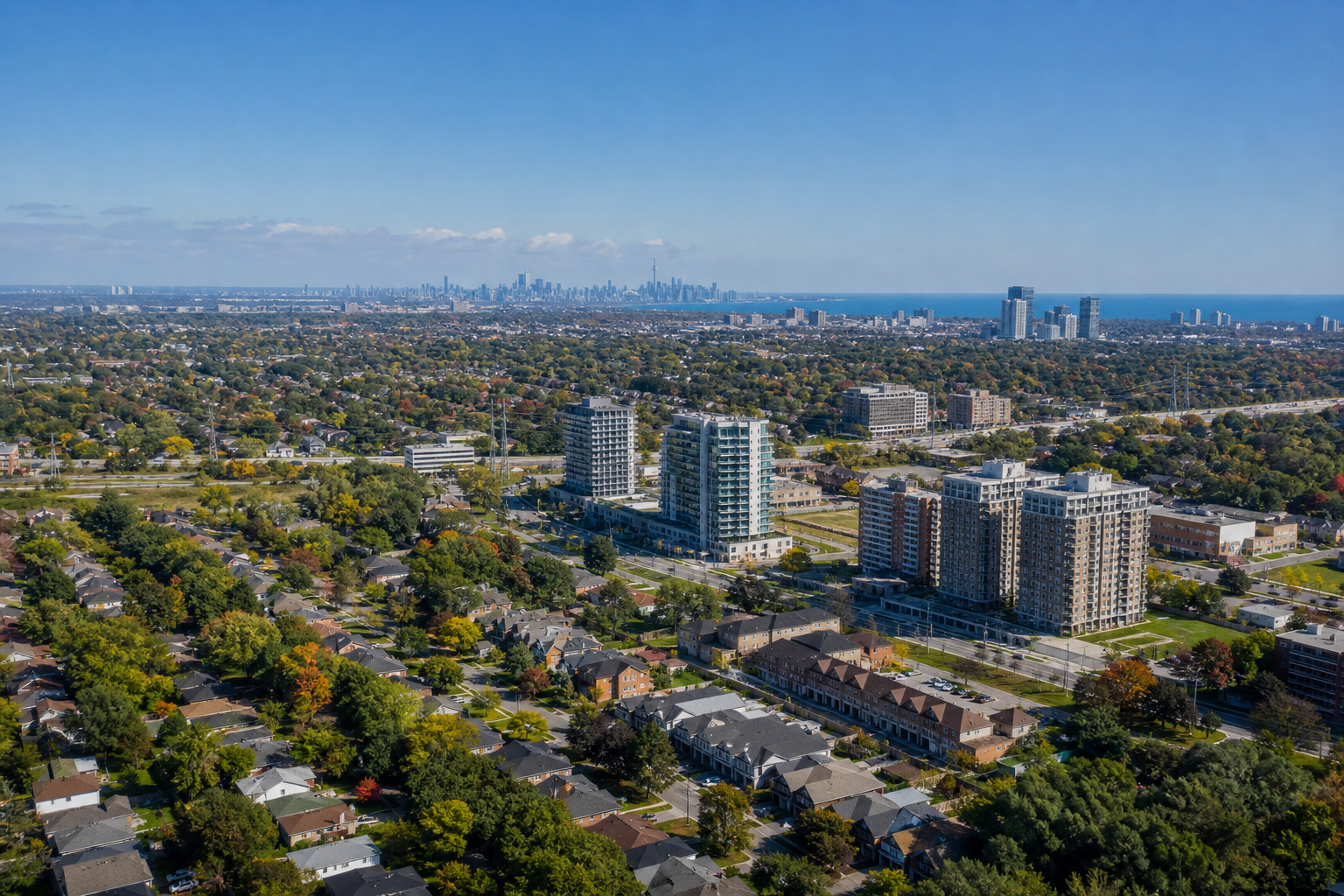
Micro-market signals in the Greater Toronto Area are often decisive: school catchment boundaries, municipal infrastructure projects, condo maintenance fees and locker/parking allocations, and lot orientation can change buyer willingness to pay. When requesting a valuation in Toronto, Mississauga, Brampton, or Oakville, ask that the report explain why each comparable was chosen and how local factors were weighted.
For a practical checklist of which local features typically affect value and how to surface them in a valuation request, consult the guide on what affects home value in Ontario (what affects home value in Ontario).
Frequently asked questions
How accurate is a free online or agent-provided home valuation for a Toronto‑area property?
Accuracy depends on the quality and recency of comparables, and whether the estimator had access to renovation, defect, or condo-document details. If the report transparently lists comps and assumptions, you can better judge likely accuracy. For formal lending or legal purposes, rely on a certified appraisal instead (see the appraisal guide linked above).
What documents and property details should I share to improve the accuracy of a free valuation?
Provide the property address, recent renovation permits and receipts, any condo status documents, photos of the interior and exterior, a list of known defects, and comparables you trust. Precise inputs reduce the number of assumptions an estimator must make and improve the match to what a buyer or appraiser might accept.
When should I order a formal appraisal instead of relying on a free estimate?
Order a formal appraisal when an official number is required for lending, legal disputes, estate reporting, or insurance replacement. Also consider an appraisal if a free valuation deviates substantially from expectations or if the property has unusual features that automated tools cannot reliably price.
Tags
Have questions about Ontario real estate?
Book an appointment with Malika Mehrotra to discuss your buying or selling goals.
Book Appointment