Brampton Pre-Construction: Avoid Costly Mistakes in 2026

Brampton pre-construction refers to buying a new condo or home directly from a builder before it is completed. Buyers commit during the planning or early construction phase, then take occupancy later. This guide explains timelines, deposit structures, legal protections, and risk controls so you can move forward with clarity in Brampton’s fast-evolving market.
By Malika Mehrotra, Founder & Realtor, Malika Homes
Last updated: July 7, 2026
Start here: your Brampton pre-construction roadmap
Use this roadmap to understand each phase—from signing to interim occupancy to final closing—so you avoid delays and protect your deposit. In Ontario, new condo buyers have a 10-day cooling-off period, deposits are staged over months, and occupancy can precede closing by several months. Align timelines early to minimize surprises.
Here’s what you’ll master in this Brampton pre construction guide:
- Pre-construction vocabulary you’ll actually use on offer night
- How deposits, cooling-off, and assignments really work
- Where HST, CMHC rules, and occupancy fees show up
- Checklist-driven steps and a sample timeline you can follow
- Local insights for projects near Dixie Road and Derry Road
- Quick Summary
- What Is Pre-Construction?
- Why It Matters in 2026
- How the Process Works
- Types and Approaches
- Best Practices to Avoid Mistakes
- Tools and Resources
- Case Studies and Examples
- FAQ
- Conclusion + Next Steps
Quick Summary
Buying pre-construction in Brampton means reserving a future home today and closing after it’s built. Expect a 10-day review period on new condos, staged deposits (often 15–20% total), interim occupancy before closing, and final registration. Your team, terms, and timeline discipline determine whether this becomes a smooth investment or a stressful detour.
At Malika Homes, we combine analytics, Certified Negotiation Expert strategy, and concierge execution. Our clients use step-by-step checklists, vetted partners, and calculators to prepare for mortgage qualification, HST implications, and builder timelines. If you want a deeper tactical list, see our internal pre-construction condo checklist for the 12 critical documents we review before you sign.
What is pre-construction in Brampton?
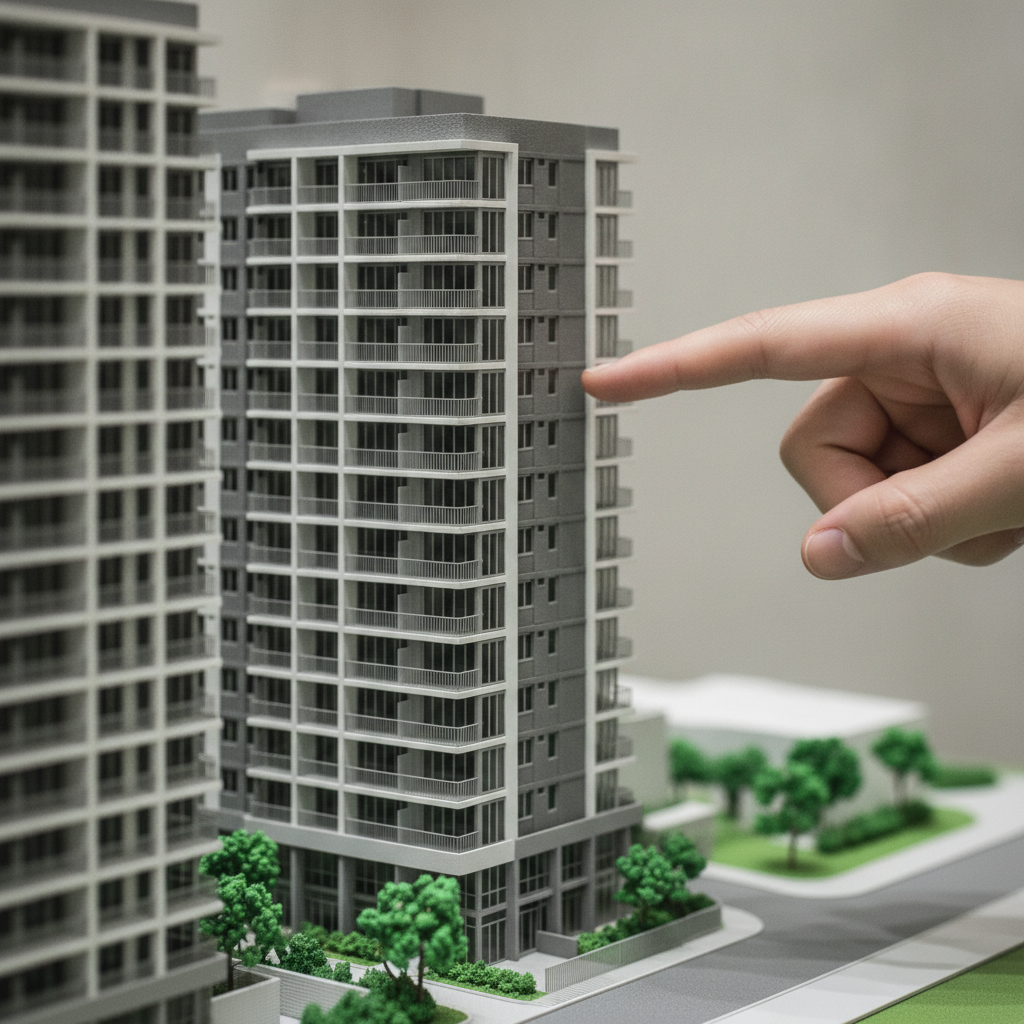
Pre-construction is the purchase of a not-yet-built property directly from a developer under a purchase agreement with staged deposits, clear timelines, and defined finishing standards. In Ontario condos, a 10-day cooling-off period lets your lawyer review everything, while freehold pre-builds rely on contractual provisions instead.
In our practice, “pre-construction” spans high-rise condos, stacked towns, and low-rise freehold communities across Brampton. You commit at plan stage, pay deposits in tranches, and receive a future delivery date (often in ranges like 36–48 months). That structure enables you to secure today’s selection and potential appreciation while builders manage permits and construction.
Core terms you’ll hear constantly
- Cooling-off (10 days for condos): Statutory period to cancel without penalty; use it for legal, mortgage, and document review.
- Interim occupancy: You can move in before the building legally registers; you pay occupancy fees, not a mortgage, during this phase.
- Registration/final closing: When the condo is registered (or freehold title is ready), you close with your lender and start your mortgage.
- Tarion coverage: Ontario’s new home warranty program safeguards workmanship and major systems by defined periods.
- Assignment: The right (if allowed) to sell your agreement before final closing under specific terms.
We translate this language into action items. Example: during cooling-off, we order status documentation, review caps on development charges, and confirm assignment rights. Those three checks alone remove several surprise fees and contract risks we see first-time buyers miss.
Why Brampton pre-construction matters in 2026
Brampton’s new-build pipeline offers modern layouts, energy efficiency, and potential appreciation across 3–4 year build cycles. With population growth and transit access expanding, disciplined buyers can lock future inventory today—provided they manage deposits, assignments, and closing timelines with a negotiation-first approach.
Why now? In our Brampton conversations, buyers want space, transit access, and flexible floor plans. New projects near major corridors often deliver two things resale struggles with: efficient amenity stacks and future-ready wiring. Meanwhile, timed deposits spread over 12–24 months can be easier to plan than one lump-sum down payment, especially for first-time buyers building savings cadence.
We also see investor interest in units that allow better layouts for remote work. If interim occupancy runs 6–18 months before final closing, your cash-flow modeling should treat that period as distinct from mortgage commencement. We map these windows in writing to align lender commitments with real possession dates.
Local considerations for Brampton
- Traffic and transit: When touring launch centers near Derry Rd At Dixie Rd, analyze commute patterns at peak times; test drive both morning and evening.
- Seasonality: Spring launches attract more demand; fall releases can create selection opportunities. Track inventory announcements monthly.
- Operations: For stacked towns near Dixie Rd At Courtneypark Dr, confirm snow removal, visitor parking, and parcel locker capacity in the disclosure.
How the pre-construction process works
The process follows predictable beats: preview and allocation, worksheet submission, signing, 10-day review (condos), staged deposits, construction updates, interim occupancy, then final closing. With checklists and partner coordination, you keep documents clean and your financing ready when registration hits.
Step-by-step playbook
- Define your brief (1–2 days): Bedrooms, parking, exposure, assignment flexibility, and end-use (own vs. rent). We add a Vastu lens if relevant.
- Get pre-approved (3–5 days): A strong pre-approval sharpens your allocation odds and protects you at final underwriting.
- Shortlist launches (1–2 weeks): Use our WhatsApp alerts and market scans. Cross-check against our Brampton pre-construction process guide.
- Submit worksheet (minutes): State your top 3–5 unit choices and preferred exposure; respond quickly on allocation day.
- Sign + 10-day review (condos only): Lawyer reviews caps on fees, assignment clauses, and closing adjustments.
- Pay deposits (months): Typical schedules spread 15–20% over 12–24 months (example: 5% on signing, 5% at 90 days, 5% at 180 or 365 days).
- Construction (years): Builder updates arrive at milestones; we log change orders within 7 days to avoid delays.
- Interim occupancy (6–18 months): Prepare for occupancy fees and utility setups; your mortgage usually starts at final closing.
- Final closing + registration: Title transfers; lender funds; you transition to standard ownership costs.
Sample timeline and documents
| Stage | What it means | Typical duration | Key documents |
|---|---|---|---|
| Worksheet & Allocation | Request a specific unit stack | 1–3 days | Worksheet, ID |
| Agreement Signing | Lock terms/deposit schedule | Same day | APS, Disclosure |
| Cooling-off (condos) | Legal and mortgage review | 10 days | Lawyer letter, addendums |
| Deposit Tranches | 5% blocks on a schedule | 3–18 months | Receipts, amendments |
| Construction | Build and inspections | 24–36 months | Change orders, updates |
| Interim Occupancy | Possession before registry | 6–18 months | Occupancy agreement |
| Final Closing | Registration and funding | 1 day | Closing package |
Want to compare with resale processes? Our province-wide primer, buying a house in Ontario, shows how inspections, conditions, and closing differ when a home already exists.
Types of Brampton pre-construction and approaches
Brampton offers high-rise condos, stacked towns, and low-rise homes. Choose based on end-use: own-occupy, long-term rent, or assign before closing (if allowed). Unit selection, exposure, parking/storage, and deposit plan should match your financing and 36–48 month build horizon.
Common product types
- Condos: Amenity-rich buildings near transit; 10-day statutory review; strongest assignment ecosystem.
- Stacked towns: Multi-level layouts with private entries; confirm maintenance responsibilities and outdoor space rules.
- Freehold builds: Yard and parking autonomy; rely on contract terms for review rights; closing adjustments differ from condos.
Approach selection
- Own-occupy: Prioritize noise control, exposure, and storage. Plan 2–3 upgrade decisions within 30–60 days of design appointment.
- Long-term rent: Pick efficient 1+den or 2-bed stacks with 50–60 foot exposure ranges that reduce street noise; study rent comps quarterly.
- Assignment strategy: Only if permitted; note fees and marketing restrictions. Document an exit plan at day one.
Curious how custom builds compare? Local builder directories, such as Brampton custom home builders, illustrate land-first routes that differ from condo/town pre-builds. Most buyers still prefer condo/town inventory for clearer timelines and deposit pacing.
Best practices to avoid costly mistakes
The biggest pre-construction mistakes are timeline blindness, weak document review, and vague financing plans. Cap closing adjustments, confirm assignment rules, map occupancy-to-closing cash flow, and keep a 90–120 day pre-closing readiness calendar to protect both possession and lending.
Deal structure and documents
- Cap adjustments: Confirm maximums on development charges, utility hookups, and levies in writing.
- Read every schedule: Finish standards, ceiling heights, and appliance packages belong in the agreement—verbal promises don’t count.
- Assignment clause: If allowed, understand fees, timelines, and marketing restrictions before you rely on this exit.
Financing and cash flow
- Stage deposits: Align paydays with deposit tranches over 12–24 months to reduce stress.
- Underwriting windows: Lender documents typically refresh within 30–90 days of final closing; plan for updated employment and income proofs.
- Occupancy modeling: Separate occupancy fees from mortgage payments; track 6–18 month ranges so nothing surprises you.
Operations and move-in
- PDI vigilance: At your Pre-Delivery Inspection, document deficiencies with photos and dates; follow up at 30 days and 1 year per warranty timelines.
- Service capacity: Ask about parcel lockers, EV-ready parking, and visitor stalls; these features impact resale and rental appeal.
- Property management: Meet the manager during occupancy; set expectations on work orders and building communications.
For a concise, action-first breakdown, skim our Brampton first-time buyer mistakes and tie those lessons to pre-construction specifics like occupancy fees and adjustment caps.
Tools and resources you can use
Equip your plan with calculators, checklists, and vetted partners. Use mortgage and CMHC tools for qualification, an HST lens for rebates, and a closing-readiness checklist at 120, 60, and 30 days. Centralize documents so lenders and lawyers can greenlight you on first pass.
- Calculators: Stress-test payments and CMHC premiums; model rate scenarios and occupancy windows side-by-side.
- HST lens: Apply the new housing rebate rules to determine eligibility for end-use vs. investment.
- Checklists: We maintain a 24-point document list; preview highlights in our pre-construction checklist.
- Partner network: Our vetted inspectors, real estate law, mortgage brokers, and contractors cut weeks off coordination time.
- Learning hub: Compare Brampton and Mississauga new-build nuances in our Mississauga pre-construction guide.
Want more depth on the end-to-end path? Our Brampton pre-construction buying process article lays out the worksheets, allocations, and document flow we run on every file.

Case studies and examples
Real files prove the playbook: align deposits, set adjustment caps, and time underwriting to closing. Small changes like confirming assignment fees early or mapping occupancy length can save months of back-and-forth and keep lending approvals clean.
First-time buyer in east Brampton
Brief: 2-bed condo with parking and storage, walkable to daily errands. We prioritized noise control and sunlight angles, then secured a stack with a 5% + 5% + 5% deposit cadence over 12 months. During condo cooling-off, we capped adjustments, validated appliance specs, and built a 90-day underwriting runway to final closing.
Investor targeting rental-ready layouts
Brief: 1+den near commuter routes with strong rental comps. We focused on efficient floor plates, EV-ready parking, and parcel capacity. We underwrote a 6–12 month interim occupancy and documented a compliant assignment backup. Their calendar highlighted lender refresh checkpoints at 30, 60, and 90 days pre-close.
Move-up family comparing towns vs. freehold
Brief: 3-bedroom with outdoor space. We compared a stacked town with lower maintenance to a freehold with more autonomy, then walked through seasonal operations (snow and curbside). A design appointment produced two upgrade rounds within 45 days. To explore upgrade inspiration for kitchens, we reviewed examples from Brampton renovation specialists and captured selections in writing.
Related articles in this home buying cluster
Pre-construction connects to broader buying and selling moves. Use these deep dives to widen your plan—compare cities, checklists, and mistake patterns—so your Brampton decision fits your long-term roadmap across the GTA.
Zoom out with our province-wide lens in Ontario home buying guide, tighten execution with a Brampton seller checklist if you’re moving up, and review the launch-to-keys flow in our step-by-step process. For cross-city contrasts and inventory timing, see the Mississauga buying checklist and expert guide.
For comparisons beyond Brampton, some regional brokerages maintain public launch summaries like GTA pre-construction snapshots. Treat them as directional context while you rely on your own agreement paperwork and legal counsel for decisions.
Frequently Asked Questions
These concise answers address the most common Brampton pre-construction questions we hear from first-time buyers, investors, and move-up families. Each point is direct and practical so you can act with confidence.
Do all Brampton pre-construction condos have a 10-day cooling-off period?
Yes—new condo purchases in Ontario include a 10-day rescission period for legal and mortgage review. Freehold pre-builds do not have a statutory cooling-off, so protections must be negotiated in the agreement itself with your lawyer’s guidance.
What is interim occupancy and how long does it last?
Interim occupancy is when you can live in the unit before the condo registers and your mortgage starts. You pay occupancy fees during this time. In practice, we see ranges from about 6 to 18 months depending on the building’s registration schedule.
Can I assign (sell) my agreement before final closing?
Only if your contract permits it. Assignment clauses vary by builder and may include fees, timelines, and marketing restrictions. We confirm these terms during your 10-day review (condos) or at signing for freehold, and we document a compliant exit strategy early.
How are deposits usually structured on pre-construction?
Many builders use staged deposits—often 15–20% total—spread over 12–24 months. A common pattern is 5% on signing, followed by 5% at 90 days and 5% at 180–365 days. Always read your schedule; exact dates and amounts are specified in your agreement.
Should I renovate right after closing or wait?
For new builds, we recommend living in the space for 30–90 days before major changes. Capture a punch list during your PDI and warranty periods first. If planning custom work later, browse local examples from Brampton renovation firms to shape your scope.
Conclusion and next steps
Winning pre-construction in Brampton is about disciplined timing, airtight documents, and a clear financing plan. With the right guide, you’ll convert a 36–48 month build window into a predictable path to keys—without last-minute scrambles or missed opportunities.
Key takeaways
- Condos include a 10-day legal review; freeholds rely on negotiated terms.
- Model 6–18 months for interim occupancy separate from your mortgage start.
- Cap closing adjustments and confirm assignment rules in writing.
- Stage deposits over 12–24 months to match savings cadence.
- Use checklists and partner networks to compress timelines.
What to do now
- Skim our pre-construction checklist and flag your top 5 questions.
- Read the Brampton process walkthrough to preview documents.
- Compare regional nuances via the Mississauga expert guide.
Book a discovery session in Brampton to personalize your timeline, deposit plan, and assignment options. We’ll map the steps and bring our vetted partners so you can move with confidence.
Tags
Have questions about Ontario real estate?
Book an appointment with Malika Mehrotra to discuss your buying or selling goals.
Book Appointment